- English
- Español
- Português
- русский
- Français
- 日本語
- Deutsch
- tiếng Việt
- Italiano
- Nederlands
- ภาษาไทย
- Polski
- 한국어
- Svenska
- magyar
- Malay
- বাংলা ভাষার
- Dansk
- Suomi
- हिन्दी
- Pilipino
- Türkçe
- Gaeilge
- العربية
- Indonesia
- Norsk
- تمل
- český
- ελληνικά
- український
- Javanese
- فارسی
- தமிழ்
- తెలుగు
- नेपाली
- Burmese
- български
- ລາວ
- Latine
- Қазақша
- Euskal
- Azərbaycan
- Slovenský jazyk
- Македонски
- Lietuvos
- Eesti Keel
- Română
- Slovenski
- मराठी
- Srpski језик

What is a micro limit switch?
In industrial automation and precision control, micro limit switches are compact, rugged devices that detect mechanical movement, trigger signals, and prevent equipment overload—fitting into tight spaces standard switches can’t reach. Essential for small appliances, robotics, and automotive electronics, understanding these switches is key to building reliable products. Let’s cover their core traits, evolution, top brands, and buyer tips.
What Is a Micro Limit Switch?
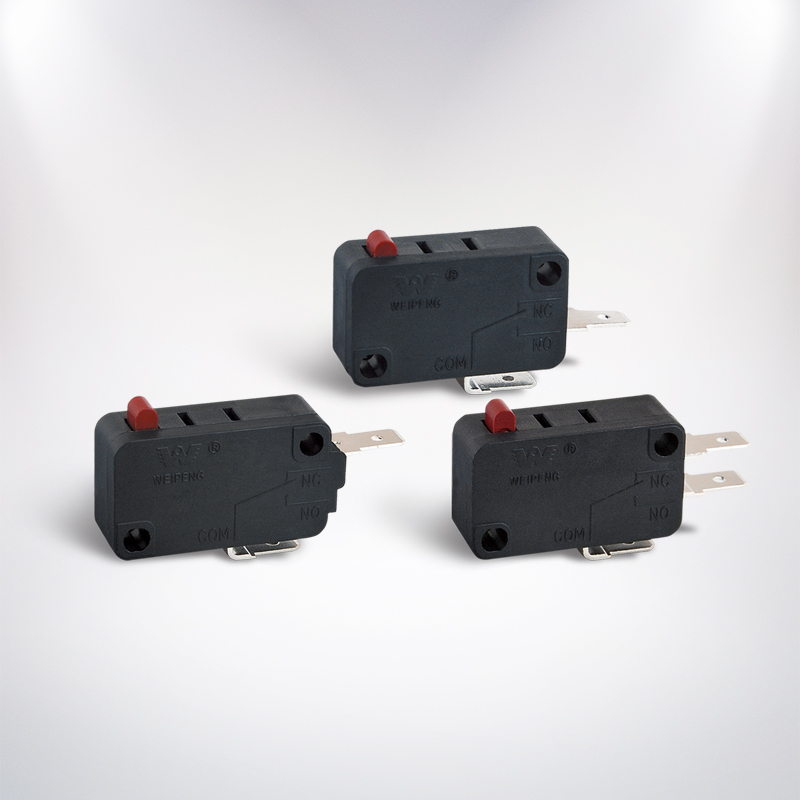
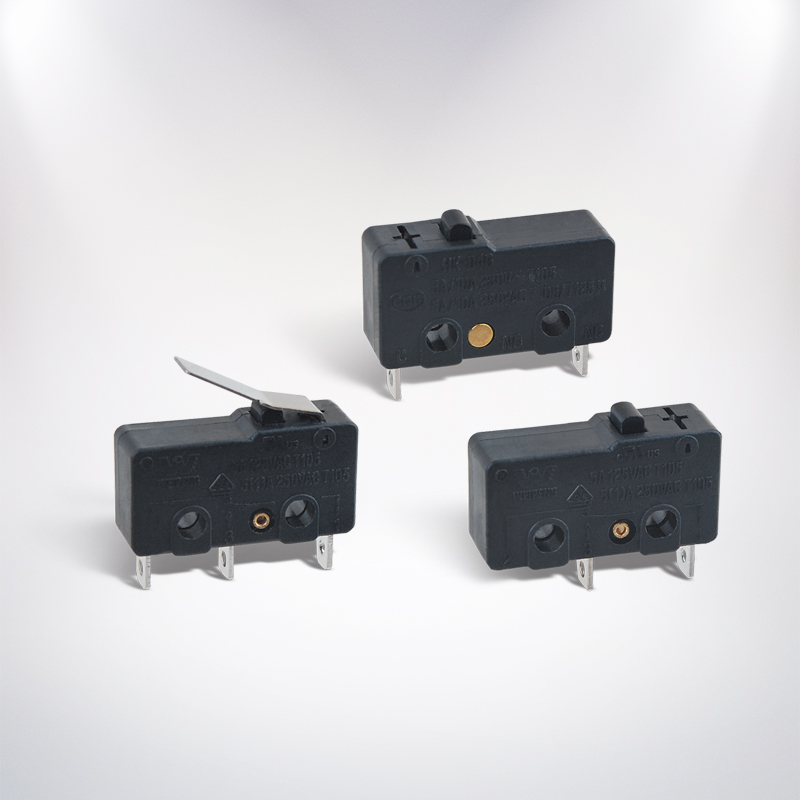
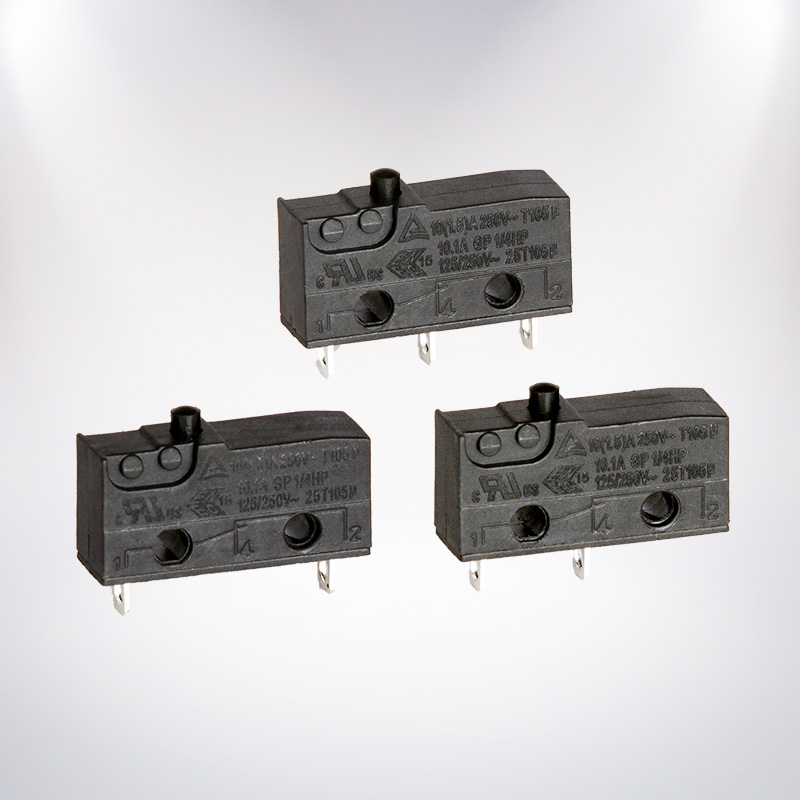
A micro limit switch is a small electromechanical device that opens/closes circuits when force is applied to its actuator (lever, roller, etc.). Measuring just a few centimeters, it delivers high sensitivity (trigger stroke ≤0.05mm) without sacrificing durability. Used in microwaves, robotic positioning, and car seat adjustments, it’s a staple in consumer and industrial sectors.
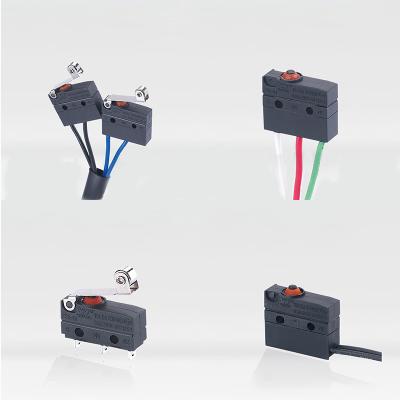
Emerging in the 1960s amid miniaturization trends, micro limit switches evolved with better actuators, durable materials, and waterproof designs (IP65+), expanding use in harsh environments. Today, they adapt to Industry 4.0 with smart features.
Top Brands & Buyer Tips
Leading brands include Omron (precision), Honeywell (ruggedness), Tongda Weipeng (cost-effective reliability), and Schneider (smart integration). Tongda Weipeng’s micro limit switch series (e.g., HK-14) offers IP40 protection, 1M+ cycles, and global certifications (UL, VDE), ideal for OEMs.
Buyers should prioritize actuator type, IP rating (IP67 for wet/dusty areas), voltage/current matching, and regional certifications. Choosing a trusted brand ensures performance.
Small but impactful, micro limit switches boost equipment safety and efficiency. For reliable, value-packed options, Tongda Weipeng stands out for balancing precision and durability across applications.