- English
- Español
- Português
- русский
- Français
- 日本語
- Deutsch
- tiếng Việt
- Italiano
- Nederlands
- ภาษาไทย
- Polski
- 한국어
- Svenska
- magyar
- Malay
- বাংলা ভাষার
- Dansk
- Suomi
- हिन्दी
- Pilipino
- Türkçe
- Gaeilge
- العربية
- Indonesia
- Norsk
- تمل
- český
- ελληνικά
- український
- Javanese
- فارسی
- தமிழ்
- తెలుగు
- नेपाली
- Burmese
- български
- ລາວ
- Latine
- Қазақша
- Euskal
- Azərbaycan
- Slovenský jazyk
- Македонски
- Lietuvos
- Eesti Keel
- Română
- Slovenski
- मराठी
- Srpski језик

Micro Power Switch: Tiny Controls That Power Modern Electronics
From sleek wearables to compact industrial sensors, micro power switches are the tiny workhorses that keep small-scale electronics running safely and efficiently. These compact components regulate power flow with precision, minimize energy waste, and fit into spaces where standard switches can’t—making them a must-have for engineers, buyers, and hobbyists alike. Let’s explore their evolution, how they’re made, key applications, and a reliable option for your next project.
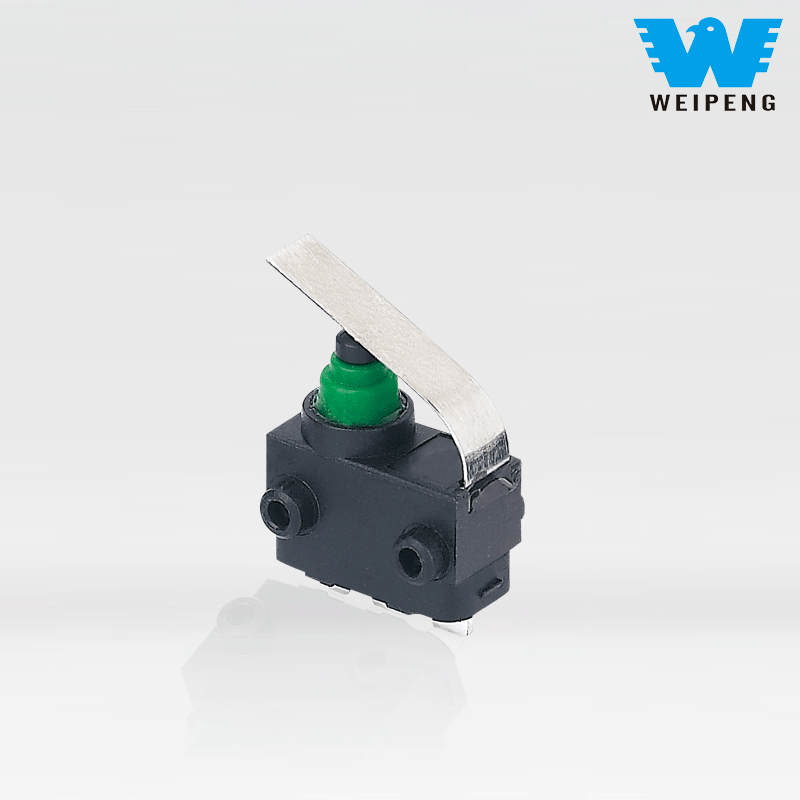
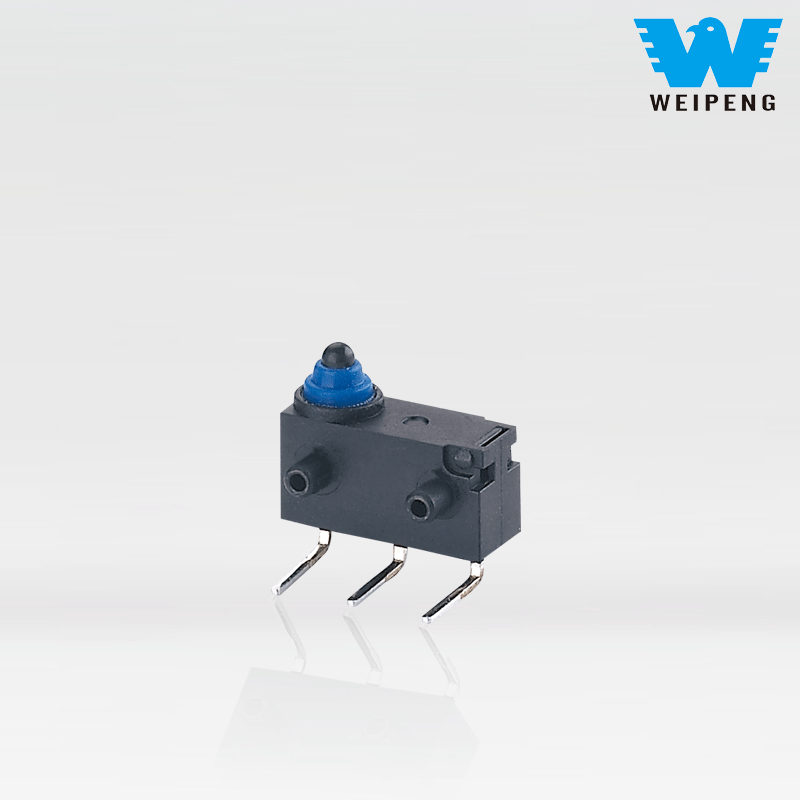
A micro power switch is a miniaturized electromechanical or solid-state device designed to control power supply in low-voltage, space-constrained electronics. Its standout features include a slim footprint (often under 10mm), low standby power consumption, and built-in overload protection to prevent device damage. Popular variants include low-voltage micro power switches for wearables and dustproof micro power switches for industrial tools, each tailored to specific use cases.
The story of micro power switches began in the 1990s, driven by the rise of portable electronics like early mobile phones and MP3 players. These devices needed smaller, more efficient power controls to replace bulky traditional switches. By the 2010s, the IoT and wearable tech boom pushed further innovation, with switches integrating smart shutoff features and energy-saving designs. Today, they’re optimized for green tech, supporting battery-powered devices to extend runtime and reduce carbon footprints.
Manufacturing micro power switches demands precision at every step:
1. Component Fabrication: Silver alloy contacts (for low resistance) and flame-retardant plastic housings are made via precision stamping and molding. Solid-state models include microchips for smart power management.
2. Automated Assembly: Robots assemble parts with tight tolerances—even a fraction of a millimeter misalignment can cause failure.
3. Rigorous Testing: Every switch undergoes power consumption checks, overload tests, and durability cycling. Only units with UL, CE, and RoHS certifications move to anti-static packaging.
These switches shine across key industries:
- Consumer Electronics: Powering smartwatches, wireless earbuds, and portable chargers with minimal energy drain.
- Industrial IoT: Controlling compact sensors and remote monitoring devices in factory settings.
- Smart Homes: Managing tiny smart lighting modules and sensor nodes.
- Medical Devices: Regulating power in portable diagnostic tools and wearable health monitors.
For reliable micro power switch solutions, Yueqing Tongda is a brand worth considering. With over 30 years in precision switch production, their micro power switch series offers low standby power, IP40 dust resistance, and global certifications. Ideal for both consumer gadgets and industrial equipment, these switches balance affordability and performance without cutting corners on quality.
When choosing a micro power switch, prioritize voltage compatibility, size, and environmental ratings to match your device’s needs. Small but mighty, these switches are the unsung heroes that power the electronics we rely on daily.
Previous:What Is a Micro Mouse Switch?