- English
- Español
- Português
- русский
- Français
- 日本語
- Deutsch
- tiếng Việt
- Italiano
- Nederlands
- ภาษาไทย
- Polski
- 한국어
- Svenska
- magyar
- Malay
- বাংলা ভাষার
- Dansk
- Suomi
- हिन्दी
- Pilipino
- Türkçe
- Gaeilge
- العربية
- Indonesia
- Norsk
- تمل
- český
- ελληνικά
- український
- Javanese
- فارسی
- தமிழ்
- తెలుగు
- नेपाली
- Burmese
- български
- ລາວ
- Latine
- Қазақша
- Euskal
- Azərbaycan
- Slovenský jazyk
- Македонски
- Lietuvos
- Eesti Keel
- Română
- Slovenski
- मराठी
- Srpski језик

Small Switches: The Ultimate Guide to Compact and Miniature Switch Solutions
With the development of technology, small electronic components are becoming an even more important element in electronics. Among this small electronic equipment, the most widely used part is the small switch, which is sometimes referred to as miniature switch (or micro switch) and is preferred particularly when there is a need for precision and compactness of operation. This guide will inform readers on everything concerning small switches including their applications and types, recommendations for choosing the right switch, tips on how to troubleshoot possible problems, the answers to frequently asked questions, and anything else you must know about small switches.
What Is a Small Switch?
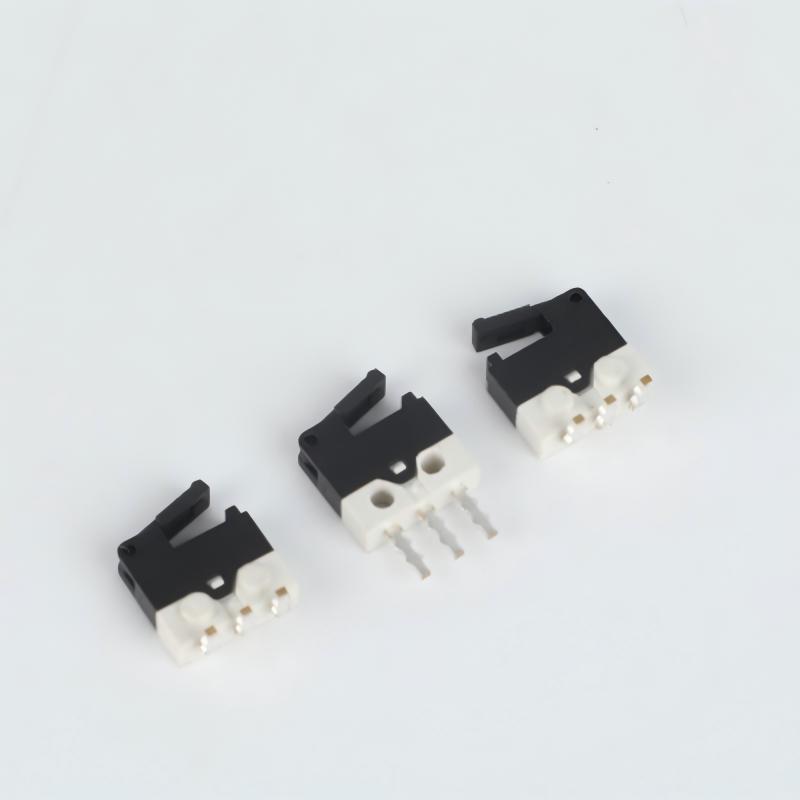
A small switch refers to an electrical machine used in controlling circuits when there are limited spaces. It must be understood that small switches, despite the fact that they are small in size, still possess accuracy, durability, and dependability.
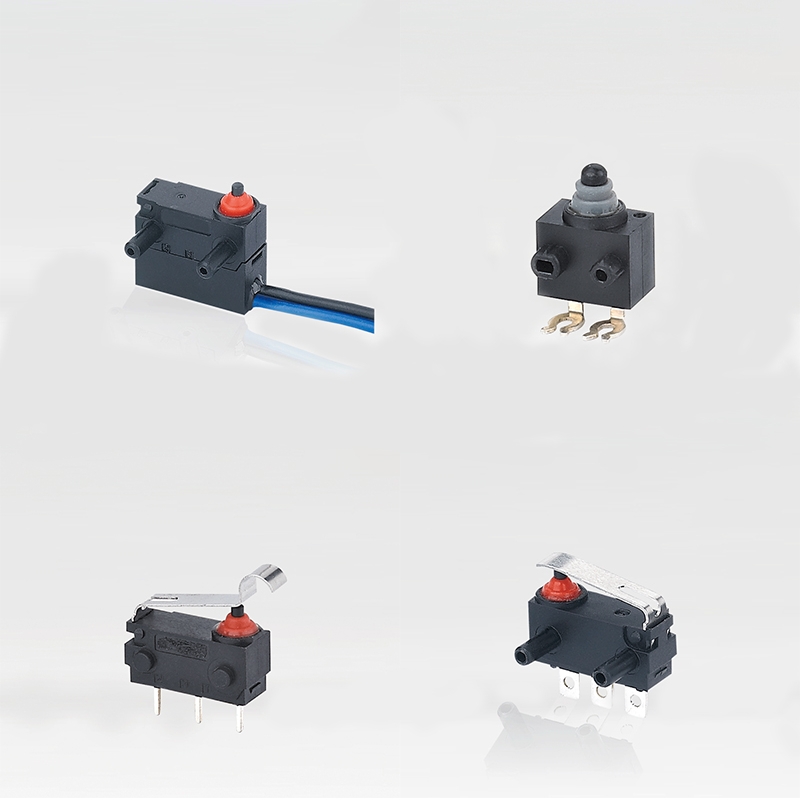
Different forms of small switches: push, toggle, slide, rocking, or rotary exist. Each of these forms offers a range of button activity and installation motifs, resulting in a wide range of possibilities for diverse applications.
Main Types of Small Switches
It is important to know the various types of small switches besides their specific advantages to select the correct switch:
Miniature Push Button Switches
Miniature push buttons are regularly found in items like calculators, wearables, and remote controls, providing tactile feedback without taking up much space. They are great for simple applications, such as turning a device on or off, resetting, or switching.
Micro Toggle and Slide Switches
The distinct operational characteristics of toggle switches and slide switches make them popular tools used in testing devices, model electronics and control panels. These switches have special features that meet the requirements of difficult operating conditions.
Surface Mount Small Switches
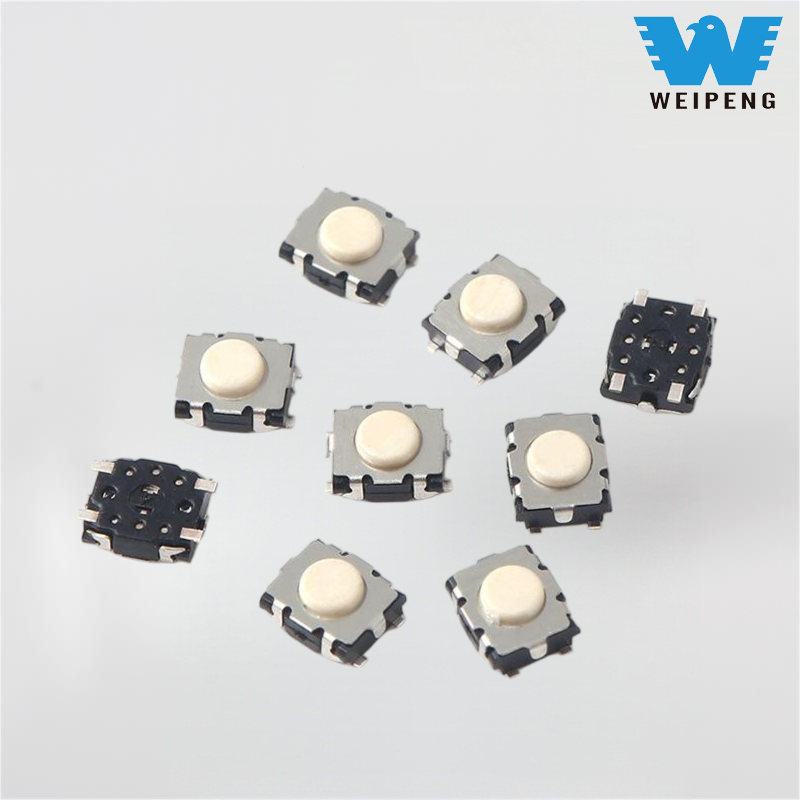
Surface mount switches are used primarily in high-density electronics like mobile phones, IoT sensors, etc., as they are closely attached to circuit boards; therefore, the assembly is smooth and the design can be compact.
Miniature Rocker and Rotary Switches
Rocker switches provide dependable means of turning electric appliances or equipment such as panels or instruments on or off. Rotary switches are useful for audio products as well as compact controls that necessitate a variable choice.
Small Switch Applications Across Industries
The small switch is a universal tool serving numerous industries:
Consumer Electronics
Smart devices such as mobile phones, smart bands, earphones, and game controllers make use of tiny switches for controlling various functions including switching on/off and selecting modes. As technology is moving in the direction of greater ergonomics and miniaturization, small switches are becoming increasingly important.
Automotive Systems
Car interiors have various switches in dashboards and doors, as well as mechanisms for seats and infotainment devices. The reliability of these switches is crucial for safety and durability.
Medical Equipment
Small switches are important components in medical instruments like infusion pumps, diagnostic machines, and monitoring devices. The accurate functioning and high reliability of these switches along with their compliance with the rigid security requirements give confidence to physicians and patients.
Industrial Automation
Control panels used in factories, robots, and safety interlocks rely on small switches for frequent electrical and mechanical functions. The switches need to be very reliable and precise when used in challenging and harsh environments.
Smart Devices and IoT
Home automation devices, Internet of Things (IoT) modules, and smart locks are equipped with tiny switches that help reset, cycle power, and activate devices, ensuring that the development of innovative connected technologies follows through.
Key Benefits of Small Switches
Micro switches have several benefits which endear them to engineers and product designers:
Space Efficiency: Their compact footprint leaves more room for additional features or sleeker design.
Precision: Accurate actuation makes them ideal for sensitive controls.
Reliability: Engineered for extended use, they withstand thousands or millions of presses.
Battery Optimization: Lower power needs extend battery life in portable devices.
Versatility: Available in multiple formats, ratings, and mounting styles.
How to Select the Right Small Switch
Picking the best small switch requires attention to these vital factors:
Electrical Specifications: Always match voltage and current ratings to your device requirements.
Tactile Response: Usually devices designed for repeated interface do not require much force to actuate, and they easily give perceptible feedback.
Mounting Solution: Surface-mount saves valuable space; through-hole offers secure fastening.
Environmental Protection: Switches with suitable IP ratings have to be utilized for devices that are subject to dust, water, or adverse conditions.
Actuation Life: Choose designs rated for high cycles in high-use scenarios.
Physical Fit: Confirm sizing to avoid overlaps or interference within enclosures and on PCBs.
To get the desired results, you must ask the suppliers, execute the tests, and study the data sheets carefully.
Installation and Maintenance Tips for Small Switches
Ensuring proper installation and maintenance sustains small switch performance for the long term:
Gentle Handling: Miniature components can be fragile; use precise tools and avoid unnecessary force.
Correct Soldering: Utilize soldering profiles named in the manuals, with clean soldering methods used to ensure reliable solder joints.
Firm Mounting: Add mechanical reinforcements where needed, especially in vibration or shock-prone areas.
Functional Testing: Cycle switches during assembly and after installation for quality assurance.
Routine Inspections: Check for signs of wear, corrosion, or loose mounts in regularly used equipment.
Innovations and Advancements in Small Switch Technology
The small switch is benefiting from ongoing innovation:
Ultra-Thin Models: Devices having thickness below 1 mm can be embedded in extremely thin mobile and wearable technologies without compromising on their efficiency.
Enhanced Sealing: The ruggedized, waterproof, and dust-proof designs result in many possibilities for applications in the field or in the medical industry.
Illuminated Switches: Built-in LED indicators improve feedback in compact and densely-packed electronics.
Sensor-Based Switching: Touch and Hall-effect switches eliminate moving parts, improving reliability and lifespan.
Troubleshooting Small Switch Issues
Common problems and solutions include:
Sticky or Failed Actuators: Clean contacts or replace damaged actuators as needed.
Unreliable Connections: Rework solder joints or clean terminals to ensure stable operation.
Electrical Noise: Implement grounding and shielding in sensitive circuits.
For complex issues, consult datasheets or technical support specialists.
FAQ: What is the Purpose of a Small Switch?
A tiny switch is employed for the simple and effective control of electric circuits. Its primary function is to help facilitate ‘input’, ‘power’, ‘reset’ or ‘mode selection’ where it is hard to find space for performing all these functions. Small switches make an important contribution to modern technologies.
Other Questions About Small Switches
How durable are small switches? High-end designs can be designed to withstand thousands or millions of cycles, depending on the usage and the materials used.
Can small switches be used for high power? Most are for low-power circuits. For high-current applications, use appropriately rated switches.
Are custom small switches available? Many suppliers provide customized actuation force, style, marking, and color choices.
Difference between small switches and standard switches? Small switches are made for small spaces and usually lower loads, whereas standard switches have bigger size and can deal with higher currents.
Are small switches suitable for outdoor use? Models with protective ratings can serve outdoor or rugged applications effectively.
To conclude, the small switch leads the pack in innovation for compact and accurate circuit management. Its versatility, robustness, and adaptability ensured that it is widely used in the field of consumer electronics, industrial systems, medical equipment, and smart technologies. Proper research, careful selection, and correct installation would ensure the use of benefits from small switches in terms of their unique advantages.