- English
- Español
- Português
- русский
- Français
- 日本語
- Deutsch
- tiếng Việt
- Italiano
- Nederlands
- ภาษาไทย
- Polski
- 한국어
- Svenska
- magyar
- Malay
- বাংলা ভাষার
- Dansk
- Suomi
- हिन्दी
- Pilipino
- Türkçe
- Gaeilge
- العربية
- Indonesia
- Norsk
- تمل
- český
- ελληνικά
- український
- Javanese
- فارسی
- தமிழ்
- తెలుగు
- नेपाली
- Burmese
- български
- ລາວ
- Latine
- Қазақша
- Euskal
- Azərbaycan
- Slovenský jazyk
- Македонски
- Lietuvos
- Eesti Keel
- Română
- Slovenski
- मराठी
- Srpski језик

Snap Action Micro Switch: An Essential Guide
When considering electrical components, the Snap Action Micro Switch is prominent for its dependability and accuracy. This small but effective device is necessary in many processes, including household devices and industrial machinery. In this thorough article, we will discuss what a snap action micro switch is, its functioning principles, usage cases, and helpful hints for choosing the right micro switch for your purposes.
What is a Snap Action Micro Switch?
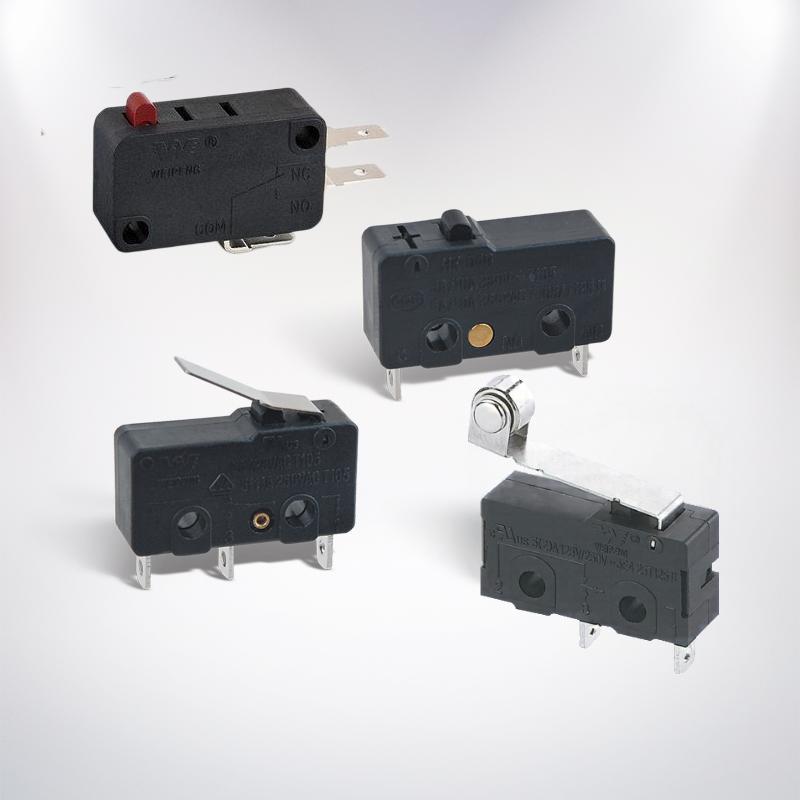
Micro switches are also commonly known as snap action switches, which are types of switches that function by activating a mechanical movement in response to the application of a certain pressure amount. The use of micro switches is ideal for many automated systems because of their fast acting properties even when very little pressure is applied. The snap action principle means that once the actuator is pressed to a certain level, the switch would open or close.
How Do Snap Action Micro Switches Work?
Snap action micro switches work on a very simple principle, where it consists of an actuator and a set of contacts and as the actuator is pressed, the lever moves causing the internal contacts to shift. This shifting allows the device to switch from open to closed almost instantly due to the fast movement. The design hence is very effective as it minimizes the wear and tear of the device which extends its life.
Applications of Snap Action Micro Switches
Snap action micro switches are quite versatile and find application in many areas. The following are some of the notable examples:
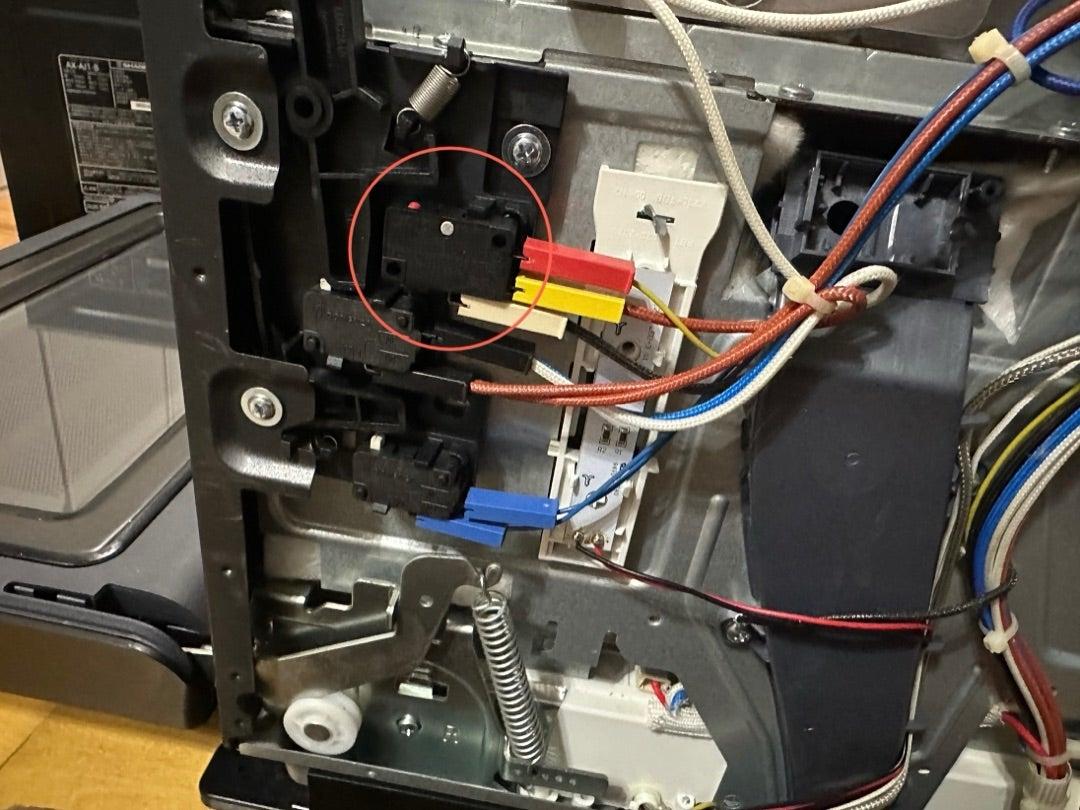
In home appliances such as microwaves, washing machines, and coffee makers, switches are utilized to obtain different functions of these devices.
Industrial machines: These items are essential for malfunction interlocks, limit functions, and controls of machinery.
Applications in the Field of Automotive: Used for car doors, seat belt alarms, and many more applications.
Electronic Devices for Use by Consumers: These items are regularly found in keyboards, joystick controllers, and gaming devices due to their accurate control.
Choosing the Right Micro Switch
The choice of micro switch can make or break the performance and durability of your project. Factors to bear in mind include:
Activating force: As per the needs of your application, determine the amount of force needed to operate the device.
Contact configuration: The available configurations are normally open (NO) and normally closed (NC); the choice depends on what will be required.
Environmental Resistance: If your application is taking place in harsh weather conditions, look into switches that are resistant to dust, humidity, and more.
Electrical Ratings: Make sure the micro switch has the capacity to support the voltage and current required by your application.
FAQs About Snap Action Micro Switches
What is the lifespan of a Snap Action Micro Switch?
The lifespan of a snap action micro switch ranges according to its design and usage but is estimated to last between 1 million and 10 million cycles, making it a suitable device for high-frequency applications.
How do I install a Snap Action Micro Switch?
With installation comes the process of securely mounting the switch and connecting it to the circuit. It is important that you refer to the manufacturer's instructions for any specific installation and wiring requirements.
Can snap action micro switches be customized?
Manufacturers are offering a range of customization services such as variable actuation forces, various sizes and weather rating to cater to different application needs.
To summarize, Snap Action Micro Switch is a product that is highly valued in electronics. Knowledge about its function and use is very important when it comes to the selection process. The advantages of choosing the right type of the device are many.