- English
- Español
- Português
- русский
- Français
- 日本語
- Deutsch
- tiếng Việt
- Italiano
- Nederlands
- ภาษาไทย
- Polski
- 한국어
- Svenska
- magyar
- Malay
- বাংলা ভাষার
- Dansk
- Suomi
- हिन्दी
- Pilipino
- Türkçe
- Gaeilge
- العربية
- Indonesia
- Norsk
- تمل
- český
- ελληνικά
- український
- Javanese
- فارسی
- தமிழ்
- తెలుగు
- नेपाली
- Burmese
- български
- ລາວ
- Latine
- Қазақша
- Euskal
- Azərbaycan
- Slovenský jazyk
- Македонски
- Lietuvos
- Eesti Keel
- Română
- Slovenski
- मराठी
- Srpski језик

How do waterproof switches differ?
If you’ve ever looked for switches for outdoor use, kitchens, bathrooms, or industrial equipment, you’ve probably seen waterproof switch options. But what makes them different from standard switches, and how do you choose the right one? This guide explains the key differences, history, production and practical details to help buyers make confident decisions.
How do waterproof switches differ?
A waterproof switch is specially designed to block water, moisture, dust, and corrosion—features standard switches do not have. The main differences lie in sealing structure, protection rating, and material. Most use rubber or silicone gaskets, fully enclosed housings, and sealed terminals to prevent liquid penetration. They are rated by IP codes such as IP44, IP54, IP65, and IP67, which show their level of protection. Unlike regular switches, waterproof models remain safe and stable in damp, wet, or dusty environments, making them ideal for outdoor, marine, and industrial use.
Brief history of waterproof switches
Early electrical switches had almost no protection and were only for dry indoor use. As outdoor and industrial electronics developed, the waterproof switch was created to solve failure caused by moisture. In the late 20th century, standardized IP ratings and reliable sealing materials made waterproof switches widely used in appliances, vehicles, and outdoor equipment. Modern versions are more compact, durable, and suitable for a wider range of harsh conditions.
Basic production process
Production of a reliable waterproof switch focuses on tight sealing and stable performance:
1. Select high-quality insulation and waterproof materials.
2. Mold the main body and sealed components.
3. Add silicone or rubber gaskets during assembly.
4. Install internal contacts, springs, and terminals.
5. Test for sealing, conductivity, and durability.
Our waterproof switch series
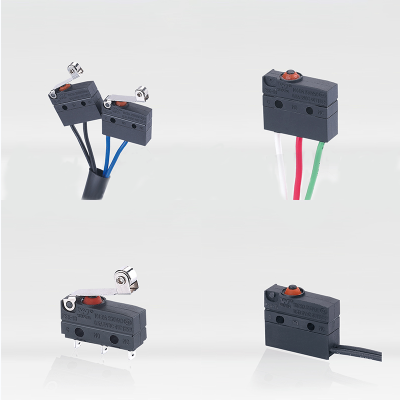
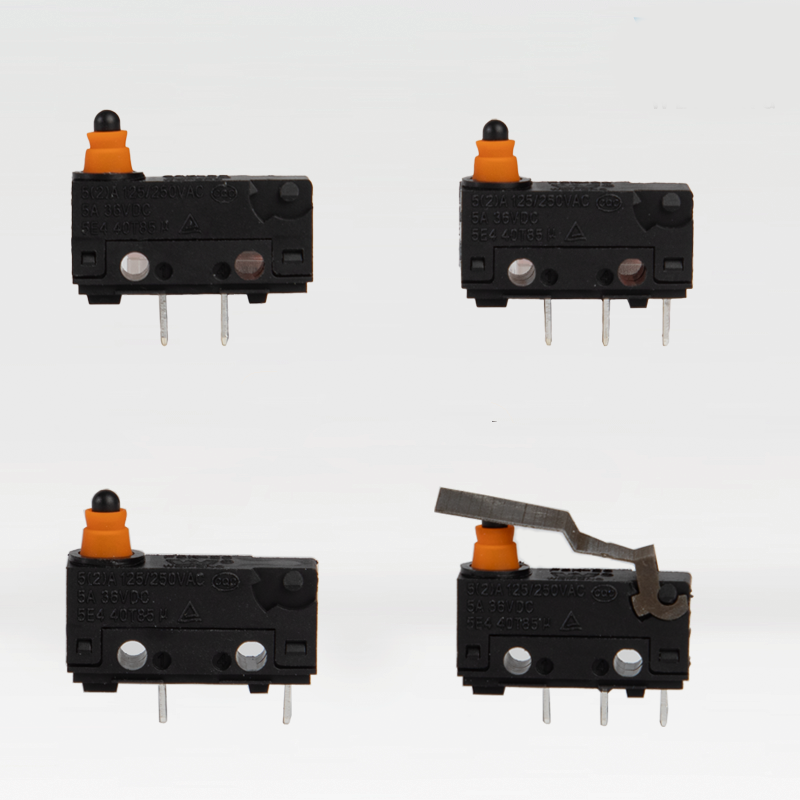
Our waterproof switch series provides stable protection of IP67, with reliable sealing, long service life, and easy installation. Suitable for outdoor, kitchen, bathroom, and light industrial use, they meet international safety standards and offer cost-effective performance for both buyers and manufacturers.
In short, waterproof switches differ in protection, structure, and application. Understanding these differences helps you choose the right switch for safety and long-term use.
Previous:What Is A Rocker Type Switch?