- English
- Español
- Português
- русский
- Français
- 日本語
- Deutsch
- tiếng Việt
- Italiano
- Nederlands
- ภาษาไทย
- Polski
- 한국어
- Svenska
- magyar
- Malay
- বাংলা ভাষার
- Dansk
- Suomi
- हिन्दी
- Pilipino
- Türkçe
- Gaeilge
- العربية
- Indonesia
- Norsk
- تمل
- český
- ελληνικά
- український
- Javanese
- فارسی
- தமிழ்
- తెలుగు
- नेपाली
- Burmese
- български
- ລາວ
- Latine
- Қазақша
- Euskal
- Azərbaycan
- Slovenský jazyk
- Македонски
- Lietuvos
- Eesti Keel
- Română
- Slovenski
- मराठी
- Srpski језик

What is a Microswitch SMD?
If you work with compact electronics—designing, repairing, or sourcing components—you’ve likely come across a Microswitch SMD. It’s a tiny but critical surface-mount device for precise switching, yet many buyers wonder: What is it, and how does it differ from standard microswitches? This guide answers that simply, covering its core details to help you choose the right one.
What is a Microswitch SMD?
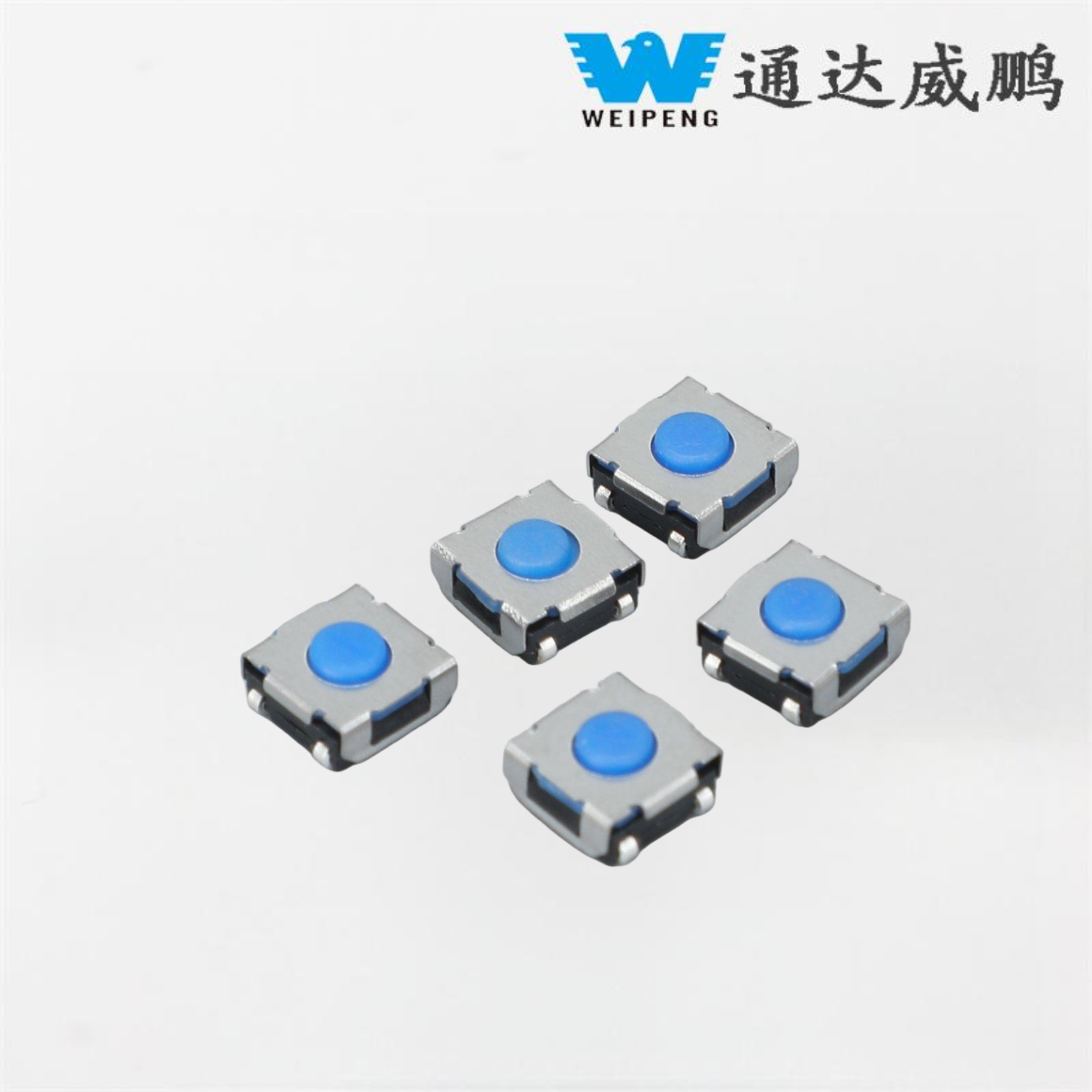
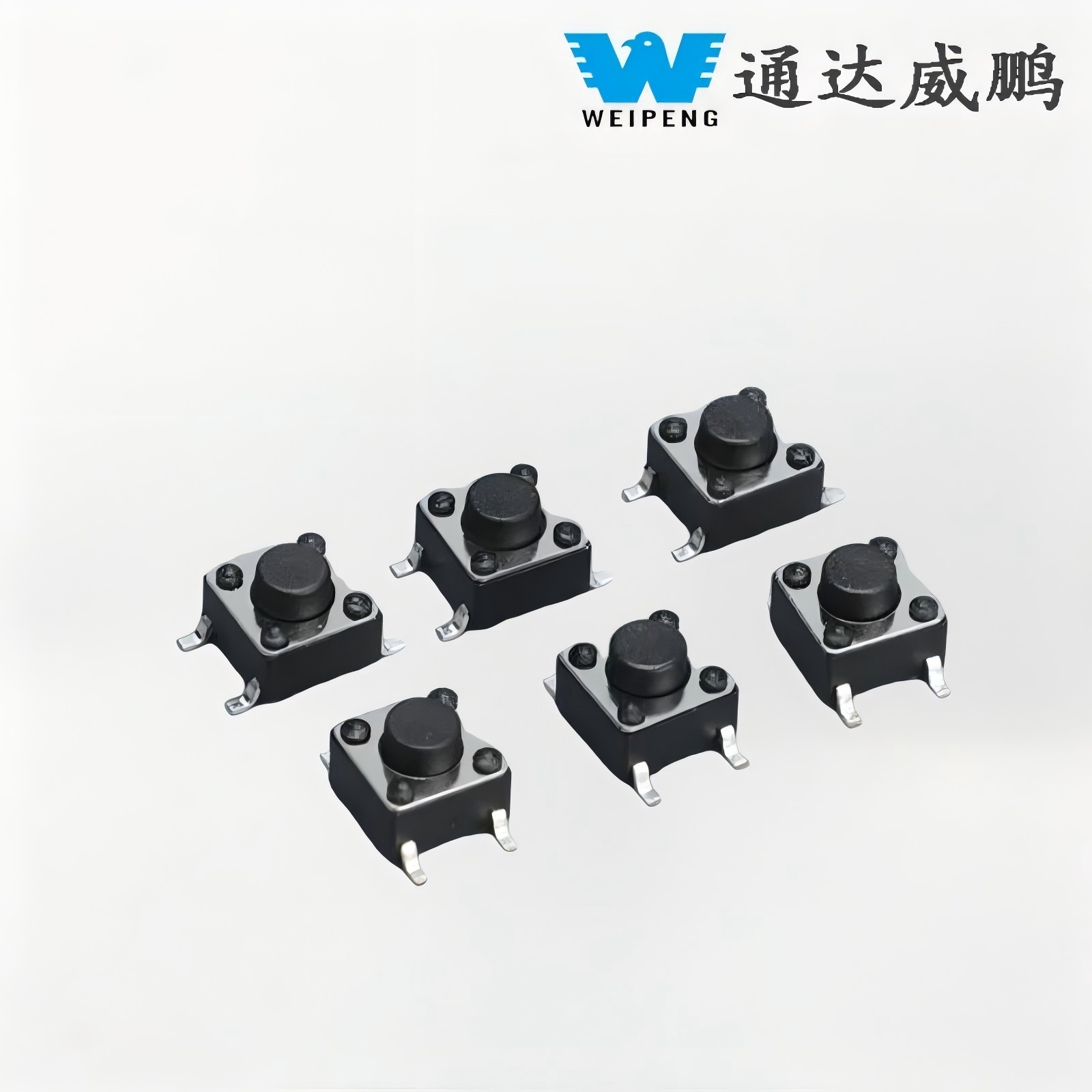
A Microswitch SMD is a surface-mount microswitch made for automated SMT assembly, with no through-hole pins. Ultra-compact and lightweight, it uses a fast-action internal mechanism for quick, stable on/off responses with minimal force. Ideal for tight spaces, it saves PCB area, boosts production efficiency, and works reliably in consumer electronics, smart devices, and automotive modules—essential for modern miniaturized designs.
Brief History
Traditional through-hole microswitches were standard for decades, but as devices shrank, the Microswitch SMD emerged to meet miniaturization and automation needs. By the 2000s, it became a staple for compact electronics, with modern models offering better durability and compatibility with high-speed assembly lines.
Basic Production Process
Production focuses on precision: molding the compact housing, stamping internal contacts and springs, automated core assembly, and testing for actuation force, conductivity, and durability—ensuring consistent quality for mass production.
Our Microswitch SMD Series
Our Microswitch SMD lineup supports SMT assembly, with long mechanical life, stable contacts, and consistent actuation. Suitable for compact devices and automotive controls, they meet international standards and offer great value for volume buyers.
In short, the Microswitch SMD is the reliable, space-saving choice for today’s miniaturized electronic designs—perfect for precision in tight spaces.
Previous:How do waterproof switches differ?