- English
- Español
- Português
- русский
- Français
- 日本語
- Deutsch
- tiếng Việt
- Italiano
- Nederlands
- ภาษาไทย
- Polski
- 한국어
- Svenska
- magyar
- Malay
- বাংলা ভাষার
- Dansk
- Suomi
- हिन्दी
- Pilipino
- Türkçe
- Gaeilge
- العربية
- Indonesia
- Norsk
- تمل
- český
- ελληνικά
- український
- Javanese
- فارسی
- தமிழ்
- తెలుగు
- नेपाली
- Burmese
- български
- ລາວ
- Latine
- Қазақша
- Euskal
- Azərbaycan
- Slovenský jazyk
- Македонски
- Lietuvos
- Eesti Keel
- Română
- Slovenski
- मराठी
- Srpski језик

Knowing the ON /OFF of an Electrical Switch
Every day, we flip an on off switch without a second thought—whether it’s turning on a lamp, powering a coffee maker, or activating a household appliance. But have you ever wondered how this simple yet essential device works, where it came from, or how to choose the right one for your needs? This guide breaks down everything you need to know about the on off switch, from its history to top brands, helping you make informed decisions as a buyer.
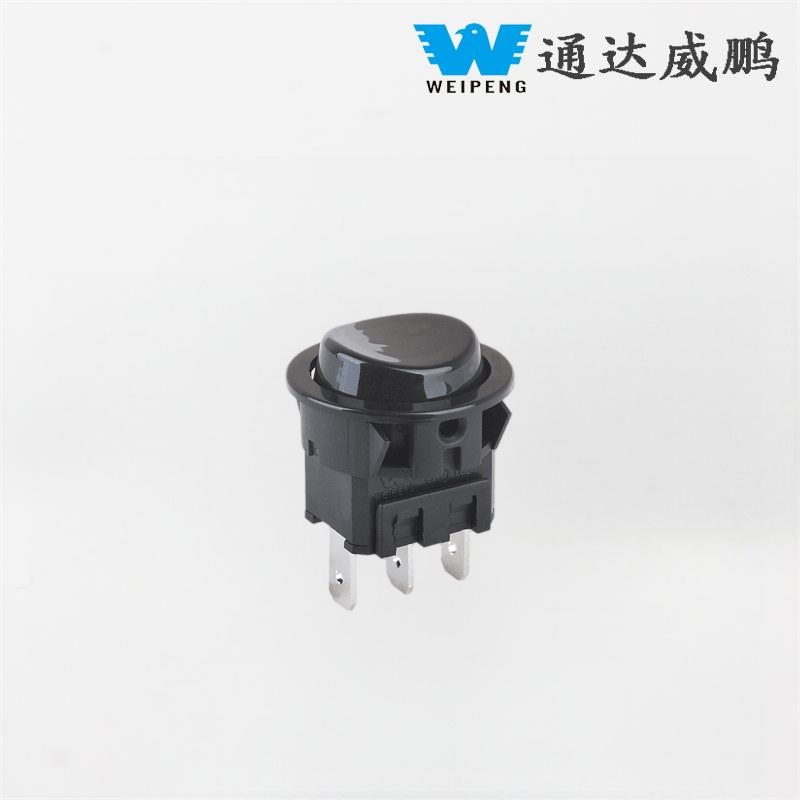
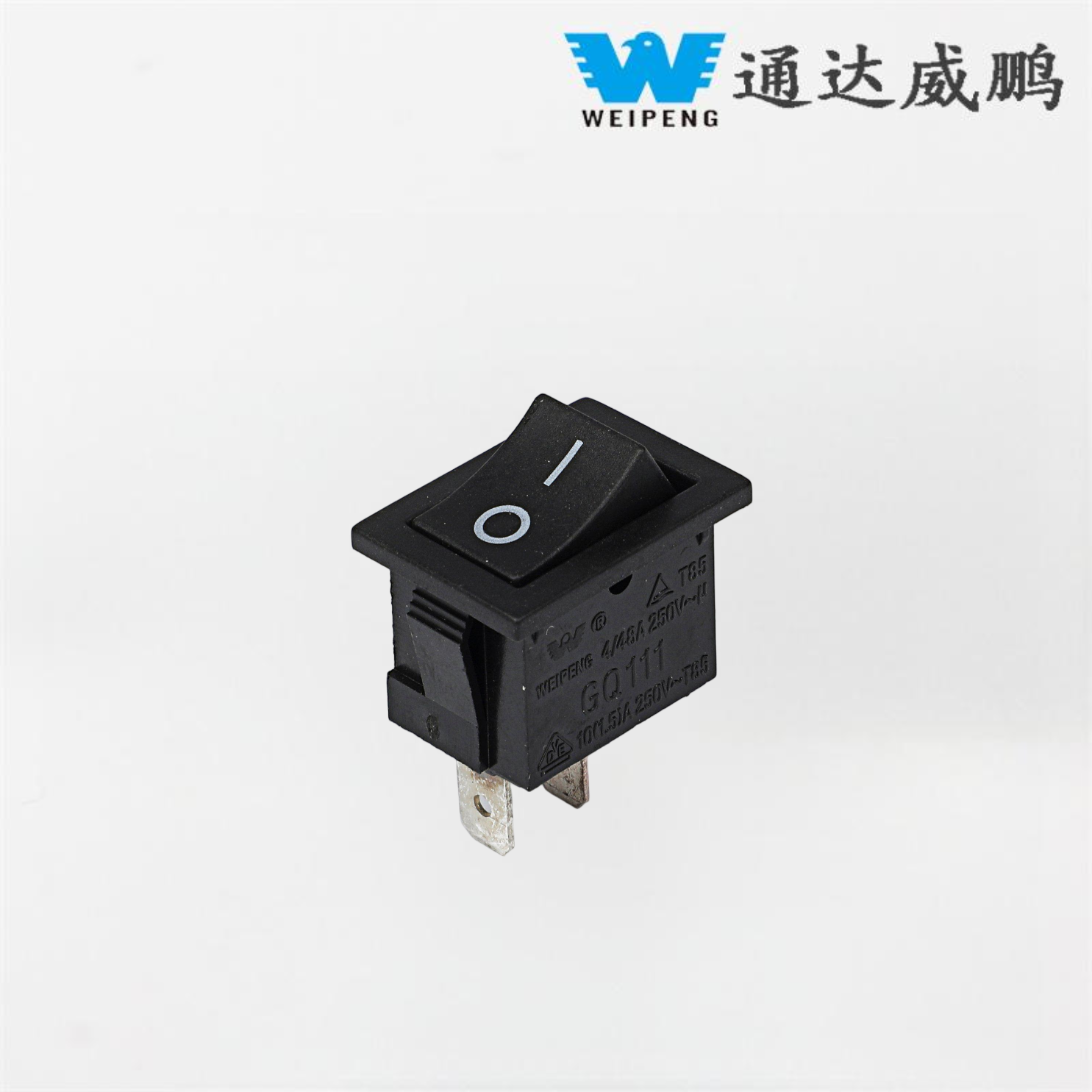
When shopping for an on off switch, durability and safety are key. Look for switches made of high-quality PC plastic or ABS materials, which offer strong flame resistance and a long service life—ideally 10,000+ on-off cycles. Common types include toggle switches and rocker switches, each suited for different scenarios: toggle switches are perfect for industrial use, while rocker switches are more sleek and popular for home decor.
The history of the on off switch dates back to the late 19th century, when the first mechanical switches were invented to control early electrical devices. Over time, they evolved from simple lever designs to modern, compact models, with the IEC standardizing the "O" (OFF) and "I" (ON) symbols in 1973 to avoid confusion globally.
The production process of an on off switch is straightforward but precise: it starts with design and material selection, followed by molding, component assembly, and strict quality testing—including flame resistance and durability checks—to ensure safety.
Today’s top on off switch brands include Leviton, known for reliable residential switches; Schneider Electric, a leader in industrial-grade options; and Honeywell, which excels in smart on off switch models. These brands prioritize quality and compatibility, making them trusted choices for buyers.
If you’re looking for high-quality on off switch products that blend durability and functionality, our series is designed to meet various needs—from home use to light industrial applications. Each switch undergoes strict quality control, ensuring consistent performance and safety.
Whether you’re a homeowner upgrading switches or a buyer sourcing for a project, understanding the basics of an on off switch helps you choose the best option for your needs.
Do you need me to adjust the keyword density to better fit Google SEO requirements, or tweak the product promotion part to be more subtle?
Previous:What is a Microswitch SMD?