Article Summary
A Waterproof Onething Cover Rocker Switch is designed to protect rocker switch operating areas from moisture, dust, and environmental contamination. Its protective cover helps reduce direct exposure to water and foreign particles while maintaining access to the switch actuator. This article explains how waterproof rocker switch covers work, which materials and design features matter, how to evaluate IP protection ratings, and what to consider during installation and maintenance. It also explores industrial applications and purchasing recommendations for reliable switch protection.
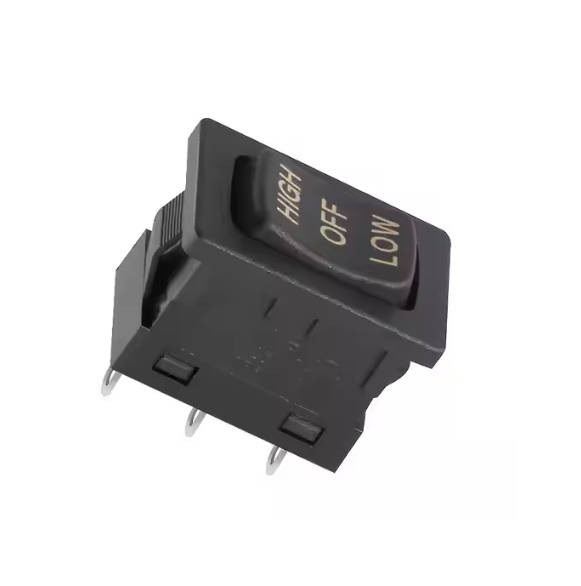
1. What Is a Waterproof Onething Cover Rocker Switch?
A Waterproof Onething Cover Rocker Switch is a protective switching solution designed to reduce the exposure of a rocker switch to water, dust, and other environmental contaminants. The term refers to a rocker switch equipped with a protective cover or cover structure that helps shield the operating area.
A traditional rocker switch uses a pivoting actuator. Pressing one end changes the electrical contact position, allowing users to turn equipment on or off. Although many rocker switches are designed for everyday electrical applications, their exposed operating surfaces may require additional protection when installed in damp or contaminated environments.
A waterproof cover addresses this concern by creating a protective interface around the switch. Depending on its construction, it may use a flexible transparent membrane, a molded protective boot, a sealing gasket, or an integrated enclosure.
Key Components of a Protective Rocker Switch Assembly
- Rocker actuator: The operating component that moves between switching positions.
- Protective cover: A barrier that reduces direct contact between the switch and external contaminants.
- Sealing gasket: Helps limit water and dust entry around the mounting interface.
- Switch housing: Protects the internal electrical contacts and mechanical components.
- Electrical terminals: Provide connection points for the circuit and must receive suitable protection within the complete installation.
2. How Does Its Waterproof Protection Work?
The main function of a waterproof rocker switch cover is to create a physical barrier between the operating mechanism and the surrounding environment. Instead of allowing water droplets or airborne contaminants to contact the actuator directly, the protective structure helps prevent them from reaching sensitive areas.
2.1 Protective Membrane Design
Flexible membranes made from suitable elastomeric materials can cover the rocker actuator while preserving its movement. Users can operate the switch by pressing the membrane without removing the protective barrier.
This construction is particularly useful when frequent operation is required. A properly designed membrane should provide a balance between flexibility, sealing contact, and mechanical durability.
2.2 Sealing Around the Mounting Surface
Water may enter through gaps between the switch and the equipment panel, even when the front cover is properly designed. A sealing gasket helps close this interface and reduces the risk of moisture entering the installation.
For reliable protection, the gasket must match the mounting dimensions and be compressed according to the manufacturer's installation instructions. Uneven pressure, damaged sealing surfaces, or incorrect mounting can compromise protection.
2.3 Protection of Electrical Connections
The front cover primarily protects the operating area. However, electrical terminals and wiring connections may remain vulnerable if they are exposed behind the panel.
For installations in wet environments, buyers should consider the complete electrical enclosure, cable glands, terminal insulation, and connection protection. A protective cover alone should not be treated as proof that every electrical component is waterproof.
3. Why Is a Protective Rocker Switch Cover Important?
Switch failures can create unexpected equipment downtime and increase maintenance costs. In industrial and outdoor environments, protective switch accessories help address several common operating problems.
3.1 Reducing Moisture Exposure
Rainwater, splashes, condensation, and cleaning fluids can affect exposed electrical components. A suitable protective cover reduces direct moisture exposure and helps maintain more consistent switching conditions.
3.2 Limiting Dust and Contamination
Dust, oil particles, and airborne debris can accumulate around switch mechanisms. A properly fitted cover helps reduce contamination and supports easier equipment maintenance.
3.3 Maintaining Convenient Operation
Some protective solutions require users to remove a cover before operating the switch. A flexible membrane design can make operation more convenient because the rocker remains accessible through the protective layer.
3.4 Supporting Equipment Reliability
Reducing exposure to environmental contaminants can help prevent premature wear and unnecessary maintenance. This is particularly valuable for machinery installed in production facilities, workshops, and outdoor control systems.
3.5 Improving Operational Protection
A physical guard can also help reduce accidental contact with the switch actuator. Depending on the design, a protective cover may provide additional resistance against unintended operation.
4. Which Materials Are Suitable for Waterproof Covers?
Material selection directly affects the flexibility, sealing performance, environmental resistance, and expected service life of a rocker switch cover. Different applications require different material properties.
| Material | Main Characteristics | Potential Applications | Selection Considerations |
|---|---|---|---|
| Silicone Rubber | Flexible, elastic, and suitable for a range of temperatures | Outdoor equipment and industrial controls | Check chemical compatibility and mechanical durability |
| PVC | Flexible, economical, and available in transparent designs | General protective switch covers | Evaluate temperature limits and long-term flexibility |
| EPDM Rubber | Good resistance to weathering, moisture, and ozone | Outdoor sealing applications | Check compatibility with oils and other chemicals |
| Polycarbonate | Rigid, impact-resistant, and dimensionally stable | Protective housings and external guards | Consider UV exposure and the sealing design |
How to Match Materials to Working Conditions
- For outdoor installations, evaluate resistance to sunlight, rain, and temperature changes.
- For industrial machinery, consider contact with oils, lubricants, cleaning agents, and production chemicals.
- For frequently operated switches, prioritize flexibility and resistance to repeated mechanical movement.
- For applications requiring visual status identification, consider transparent cover materials.
- For equipment exposed to vibration, evaluate material retention and mounting stability.
Material selection should always be based on the actual operating environment rather than appearance or purchase price alone.
5. How Should You Evaluate Waterproof Performance?
One of the most important purchasing considerations is the protection level of the complete switch assembly. Buyers should understand IP ratings rather than relying only on product descriptions that use terms such as waterproof, splash-proof, or weather-resistant.
5.1 Understanding IP Ratings
IP stands for Ingress Protection. The rating uses two digits to describe protection against solid particles and water under defined test conditions.
| IP Code | Solid Protection | Water Protection |
|---|---|---|
| IP44 | Protection against solid objects of 1 mm and larger | Protection against splashing water from any direction |
| IP54 | Dust-protected | Protection against water splashes |
| IP65 | Dust-tight | Protection against water jets |
| IP67 | Dust-tight | Protection against temporary immersion under specified test conditions |
These ratings represent different standardized test conditions. A higher water-protection rating does not automatically mean that a product is suitable for every application, especially continuous immersion or high-pressure cleaning.
5.2 Verify the Complete Assembly
A cover may have its own protective characteristics, but its performance does not automatically establish the IP rating of the complete installation.
Before purchasing, request information about:
- The tested protection rating of the assembled switch and cover.
- Whether the rating applies to the front panel, rear terminals, or complete enclosure.
- Whether the test assumes a particular mounting direction.
- Whether cable entry points and mounting gaskets are included in the test configuration.
- The applicable test reports and product documentation.
5.3 Consider Real Operating Conditions
A switch exposed to occasional splashes has different requirements from one installed in an outdoor machine exposed to heavy rain or regular washdown. Selecting the correct protection level requires understanding the actual frequency, direction, and intensity of water exposure.
6. Where Are Waterproof Rocker Switch Covers Used?
Waterproof rocker switch covers are useful across various electrical and equipment applications where environmental protection is important.
6.1 Outdoor Electrical Equipment
Outdoor lighting systems, electrical control boxes, and landscape equipment may experience rain, humidity, and temperature changes. Protective covers help reduce direct exposure around the switching area.
6.2 Industrial Machinery
Manufacturing equipment often operates in environments containing dust, oil mist, and occasional liquid splashes. Protective rocker switch covers can help maintain cleaner control interfaces.
6.3 Marine Equipment
Marine electrical systems may be exposed to moisture, spray, and corrosive conditions. Buyers should evaluate both the switch cover and the complete assembly for environmental suitability. Saltwater exposure requires additional attention to corrosion resistance.
6.4 Automotive and Transportation Equipment
Vehicles, recreational equipment, and specialized transportation machinery may require protected switches in dashboards, control panels, and auxiliary electrical systems. Vibration resistance and temperature performance are important selection factors.
6.5 Agricultural Equipment
Agricultural machinery frequently works in dusty, humid, and outdoor conditions. Suitable protective covers can help reduce contamination around frequently operated switches.
6.6 Household and Commercial Appliances
Appliances and equipment installed in kitchens, workshops, utility rooms, and other moisture-prone areas may also benefit from protective switch designs, provided the complete electrical installation meets applicable safety requirements.
7. How Can You Choose the Right Rocker Switch Cover?
Finding a suitable Waterproof Onething Cover Rocker Switch requires more than checking whether a cover looks compatible. Buyers should evaluate dimensions, operating conditions, electrical requirements, and supplier capabilities.
7.1 Confirm Switch Dimensions
Different rocker switches use different actuator shapes and panel cutout dimensions. A cover designed for one model may not fit another, even if both products appear similar.
Check the following measurements:
- Overall cover length and width.
- Rocker actuator dimensions.
- Panel cutout size.
- Mounting depth and available clearance.
- Cover height and movement space.
7.2 Identify the Required Cover Structure
Depending on the equipment design, buyers may need a flexible protective boot, a transparent snap-on cover, a membrane-style protective assembly, or a rigid external guard.
Consider whether the switch must remain visible, whether operators need frequent access, and whether the cover should provide additional protection against accidental activation.
7.3 Check Operating and Environmental Requirements
Before finalizing a specification, establish the expected temperature range, humidity, water exposure, dust level, vibration, and chemical contact. These conditions determine which materials and protective structures are appropriate.
7.4 Evaluate Supplier Customization Capabilities
For equipment manufacturers and wholesale distributors, customized dimensions and material options can be important. A capable supplier should be able to clarify product compatibility, provide dimensional drawings, and discuss available manufacturing options.
7.5 Use This Purchasing Checklist
| Evaluation Item | Questions to Confirm |
|---|---|
| Product compatibility | Does the cover fit the specified rocker switch model? |
| Dimensions | Are the panel cutout and actuator measurements correct? |
| Material | Is the material suitable for the operating environment? |
| Water protection | What is the verified IP rating of the complete assembly? |
| Operating life | Has the product been evaluated for repeated operation? |
| Customization | Are different dimensions, colors, or material options available? |
| Documentation | Can the supplier provide technical drawings and test information? |
| Supply capability | Can the supplier support the required order quantity and delivery schedule? |
8. How Should You Install and Maintain the Cover?
Correct installation is essential for maintaining the intended protective performance. Even a well-designed cover may fail to provide reliable protection if it is incorrectly fitted or damaged during assembly.
8.1 Installation Guidelines
- Disconnect the power supply. Ensure the electrical equipment is isolated before installation. Qualified personnel should handle electrical connections.
- Inspect the switch. Check the rocker actuator, housing, mounting surface, and terminals for visible damage.
- Confirm compatibility. Compare the switch dimensions with the cover specifications before assembly.
- Clean the mounting area. Remove dust, oil, and debris that could interfere with the sealing interface.
- Install the protective cover. Follow the manufacturer's instructions and ensure the cover is correctly positioned.
- Check the gasket. Confirm that the gasket is properly seated and not twisted, damaged, or excessively compressed.
- Inspect cable connections. Ensure the rear terminals and wiring receive appropriate protection within the enclosure.
- Conduct a functional inspection. After installation and before normal operation, verify that the rocker moves correctly and the protective structure remains securely fitted.
8.2 Regular Maintenance Recommendations
Routine inspection helps identify deterioration before it causes operational problems.
- Clean the external cover with a material-compatible cleaning method.
- Check for cracks, deformation, discoloration, or loss of flexibility.
- Inspect sealing gaskets for wear and improper positioning.
- Check that the cover remains securely attached to the switch.
- Replace damaged protective components promptly.
- Recheck protection after equipment modifications or maintenance work.
Avoid using aggressive solvents or abrasive cleaning materials unless they are specifically approved for the cover material.
9. Common Purchasing Mistakes to Avoid
Choosing an unsuitable protective switch cover can result in fitting problems, inadequate environmental protection, and unnecessary replacement costs. The following mistakes are particularly important for B2B buyers.
Mistake 1: Assuming Every Cover Fits Every Rocker Switch
Rocker switch dimensions and actuator structures vary. Always compare drawings and measurements before placing a bulk order.
Mistake 2: Selecting Products Based Only on Appearance
A transparent cover may make the switch status easier to observe, but appearance does not establish sealing performance. Verify the material and tested protection level.
Mistake 3: Ignoring Rear Terminal Protection
Water can enter through exposed wiring connections even when the front actuator is covered. Consider the complete enclosure and cable entry arrangement.
Mistake 4: Overlooking Environmental Compatibility
A material that performs well indoors may deteriorate under prolonged sunlight, chemical exposure, or extreme temperatures. Match material properties to actual operating conditions.
Mistake 5: Failing to Request Technical Documentation
Product drawings, dimensional information, material specifications, and relevant test reports help buyers evaluate product suitability before mass production or procurement.
10. Frequently Asked Questions
Q1. What is a Waterproof Onething Cover Rocker Switch used for?
It is used to protect rocker switch operating areas from moisture, dust, and environmental contaminants. It is commonly considered for outdoor equipment, industrial machinery, electrical control panels, and other applications requiring additional switch protection.
Q2. Can a waterproof rocker switch cover prevent water from entering completely?
Not necessarily. Its performance depends on the cover structure, material, sealing interface, installation, and tested protection rating. Buyers should verify the complete assembly's IP rating and intended operating conditions.
Q3. What is the difference between a waterproof rocker switch and a waterproof switch cover?
A waterproof rocker switch is designed with environmental protection features as part of the switch assembly. A waterproof cover is an additional protective component fitted over or around a switch. Some products combine both designs.
Q4. Which material is best for a waterproof rocker switch cover?
There is no universal best material. Silicone rubber, PVC, EPDM, and polycarbonate each have different properties. The correct choice depends on flexibility requirements, temperature, weather exposure, chemical contact, and mechanical conditions.
Q5. Can a transparent rocker switch cover be operated without removing it?
Many flexible transparent covers are designed to allow users to operate the rocker through the protective membrane. However, this depends on the specific product construction and compatibility with the switch actuator.
Q6. How do I know whether a cover fits my existing rocker switch?
Check the actuator dimensions, switch model, panel cutout, mounting depth, and cover attachment method. Comparing the manufacturer's technical drawing with the existing switch is recommended before ordering.
Q7. Does an IP67-rated cover mean the entire switch is waterproof?
No. An IP67 rating applies only to the product or assembly tested under the specified conditions. If the cover and switch are separate components, their individual ratings should not be treated as the rating of the assembled installation.
Q8. How often should a waterproof rocker switch cover be inspected?
Inspection frequency depends on the operating environment and equipment maintenance schedule. Equipment exposed to frequent water, chemicals, sunlight, or mechanical movement should receive more regular inspections.
Q9. Can waterproof rocker switch covers be customized?
Customization possibilities depend on the manufacturer's production capabilities. Buyers can discuss dimensions, materials, colors, cover structures, and compatibility requirements with the supplier.
Q10. What information should I provide when requesting a quotation?
Provide the switch model, required dimensions, application environment, preferred material, target protection rating, estimated order quantity, and any available drawings or reference photographs. This helps the supplier evaluate compatibility and provide a more accurate quotation.
11. Conclusion: Make Switch Protection a Priority
A Waterproof Onething Cover Rocker Switch is a practical solution for reducing environmental exposure around electrical switching components. By providing an additional protective barrier, a suitable cover can help limit moisture and dust contamination, support convenient operation, and reduce avoidable maintenance problems.
However, reliable protection requires more than selecting a product described as waterproof. Buyers should evaluate the material, dimensions, sealing structure, complete assembly IP rating, electrical enclosure, and actual working conditions before making a purchasing decision.
For equipment manufacturers, electrical component distributors, and industrial procurement teams, choosing a technically suitable supplier is equally important. Clear specifications, reliable product consistency, and effective technical communication help reduce compatibility risks and support long-term equipment performance.
Looking for Reliable Rocker Switch Protection Solutions?
WEIPENG is committed to providing practical electrical component solutions for different application requirements. If you are sourcing waterproof rocker switch covers or looking for suitable protective components for your equipment, share your product specifications and application needs with our team.
Contact us today to discuss product details, customization requirements, and bulk purchasing inquiries. Let WEIPENG help you find a suitable solution for your next project.
Contact Us