- English
- Español
- Português
- русский
- Français
- 日本語
- Deutsch
- tiếng Việt
- Italiano
- Nederlands
- ภาษาไทย
- Polski
- 한국어
- Svenska
- magyar
- Malay
- বাংলা ভাষার
- Dansk
- Suomi
- हिन्दी
- Pilipino
- Türkçe
- Gaeilge
- العربية
- Indonesia
- Norsk
- تمل
- český
- ελληνικά
- український
- Javanese
- فارسی
- தமிழ்
- తెలుగు
- नेपाली
- Burmese
- български
- ລາວ
- Latine
- Қазақша
- Euskal
- Azərbaycan
- Slovenský jazyk
- Македонски
- Lietuvos
- Eesti Keel
- Română
- Slovenski
- मराठी
- Srpski језик

Micro Switch KW10: A Comprehensive Guide to Features, Uses, and Applications
As the industrial sector relentlessly demands precision and dependability, Micro Switch KW10 is increasingly used by many sectors. The Micro switches, particularly the form of KW10, have revolutionized control systems, automated systems, and various electronic gadgets. The KW10 micro switches are compact in design and are designed to work flawlessly for long hours. The following materials will give you information about its specifications, applications, technical characteristics, and answers to the most popular questions about Micro Switch KW10 device. If you need to find out something about KW10 miniature micro switches used in various sectors, you will easily find what you are looking for.
What Is the Micro Switch KW10?
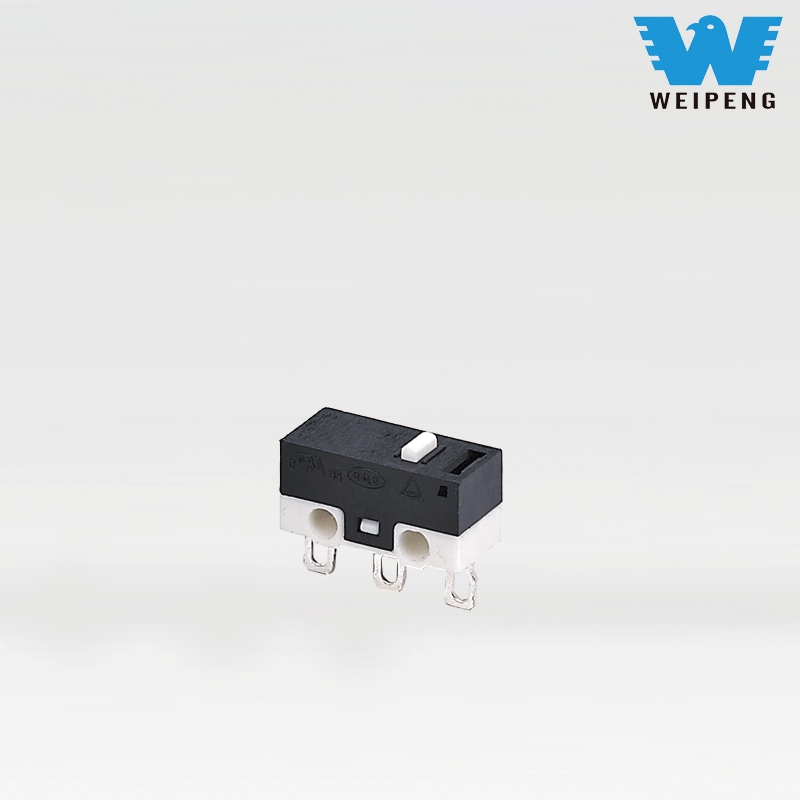
Developed as a highly efficient tiny micro switch, the Micro Switch KW10 has advanced performance and reliable control over the signaling. Micro switches are categorized among momentary switches, meaning they respond instantly to low pressure and force applied on the actuator. Thanks to its small design, the KW10 exhibits excellent efficiency and reliability, ensuring its functionality in confined and high-pressure environments.
KW10 microswitch usually works with different actuators like levers and buttons and is able to work at different current ratings which most commonly range from 0.1A to 5A, depending on the model. KW10 has snap-action properties, which helps the contacts in moving from one position to the other and minimizing contact bounce, while allowing precise switching mechanism. Due to snap-action, it prevents errors, wear, and downtime in systems and machinery.
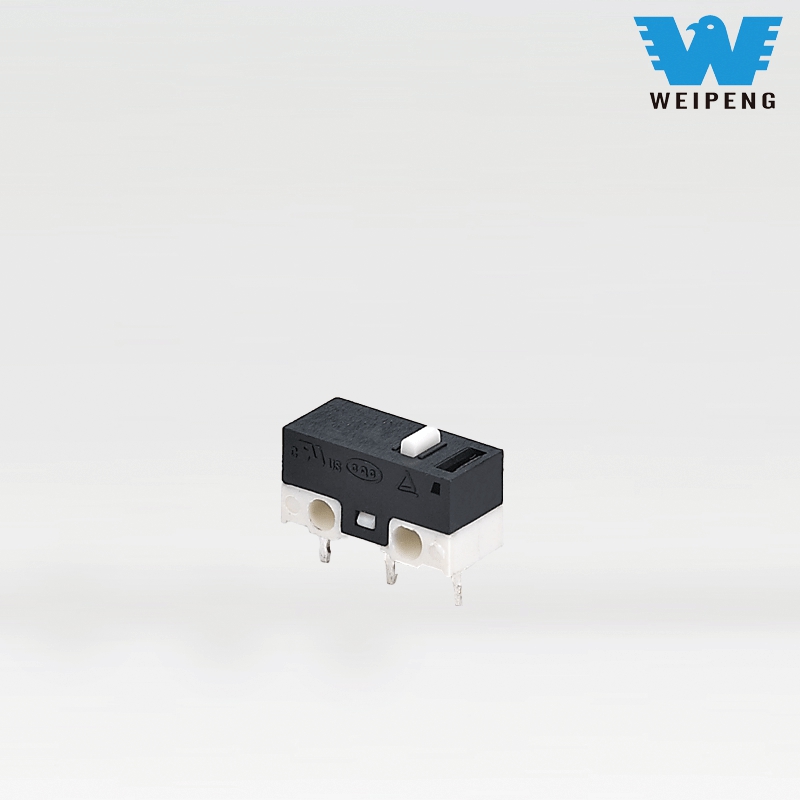
Moreover, manufacturers provide several variants, including microswitch kw10 z1p for customized needs. Its body dimensions generally fit a standard miniature profile (around 20mm x 6mm x 10mm), making it ideal for space-sensitive installations.
Key Features and Specifications of KW10 Micro Switches
KW10 micro switches are designed with modern functionalities for maximum output in different industries. Presented below are some key characteristics and technical specifications of the products:
1) Compact Size: 1) Classified as a miniaturized micro switch, KW10 can fit in small spaces in electronics and machinery.
2) Reliable: This switch is engineered to have a long operating life with millions of operations, which provides a great cost benefit to original equipment manufacturers.
3) Precise Operation: The snap-action mechanism makes operation fast and efficient, which mitigates false triggers.
4) Variety of Electrical Ratings: The KW10 micro switch usually possesses ratings in the range of 0.1A to 5A, making it suitable for both low- and middle-power applications.
5) Wide Operating Temperature Range: The switch usually operates between -25 °C and 85 °C, making it suitable for the industrial and automotive realms.
6) Multiple Types of Terminals: Most models of KW10 have an opportunity of soldering, PCB, and quick coupling terminals, which provides a good degree of convenience for engineers.
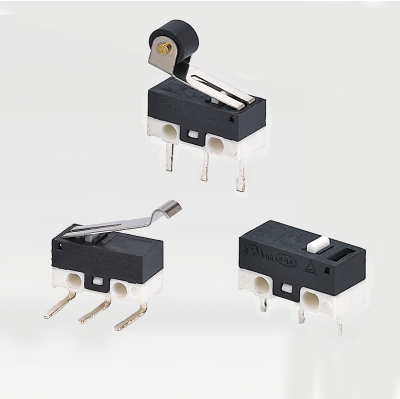
7) Different Types of Actuators: The switch may have levers, buttons, rollers, and plungers that allow OEMs to choose the appropriate actuator.
Manufacturers may provide microswitches of the kw10 z1p version, which means unique switches designed for specific needs or higher electrical safety standards.
Applications: Where Is the Micro Switch KW10 Used?
Micro Switch KW10's flexibility enables it to be utilized in various different variations of situations. The factors that contribute to its appeal are its consistent performance, its compact structure, and its easy-to-use feature.
Automotive Systems:The KW10 micro switch is widely used in the systems for locking car doors, controlling windows, and detecting seat belt usage. This switch has a fast response, making it suitable for signaling and monitoring safety-sensitive applications. Reserved KW10 micro switches in automotive applications guarantee effective functionality under any vibrating, humid or fluctuating temperature circumstances.
Consumer Electronics:In microwave ovens and refrigerators, air conditioning units, and printers, the KW10 serves as a safety or status detection device. It can also be used in control panels to provide simple and perfect user commands.
Industrial Control:KW10 micro switches are vital in various equipment, including conveyor belts, robotic arms, and packaging machines. In this case, engineers use these devices for position detection, automatic shutdown, and protection against overloading.
Medical Equipment:Because of their high precision and reliability, micro switches find application in medical devices like patient monitoring systems, infusion pumps, or laboratory devices, where consistent triggering is required.
Home Security Devices:Motion triggered lights, security alarms, and surveillance devices use the KW10 to detect intrusion and status. Due to its size and characteristics, the switch can be hidden in non-obvious locations.
Communication Equipment:KW10 micro switches are employed by transceiver modules, telecom switches, and network devices to realize their reset and signal routing functions.
The numerous applications presented here demonstrate why engineers and manufacturers consider the KW10 micro switch to be a reliable choice.
Choosing the Right Micro Switch KW10 for Your Project
Choosing the most appropriate KW10 micro switch type is vital for ensuring best performance, safety, and durability. Here are the important factors that should be taken into account in the process of selection:
Electrical Rating: Be sure to verify that the voltage and current ratings of your switch meet the requirements of your application. Overloading can shorten the life of the switch or even lead to failure.
Operating conditions: Take into account temperature swings, humidity, vibration, or possible contaminants. The KW10 has different options for complex conditions.
Type of actuation: Choose between lever actuators, roller actuators, and plunger actuators. The type of actuator affects the force necessary to operate the switch.
Mounting type: Check the type of terminal (printed circuit board, solder, or quick connector) and position of the body. Choose a model that is easier for assembly and maintenance.
Safety regulations: Search for switches from reputed companies (UL, CE, RoHS) that guarantee the safety and compliance of the goods.
Talk to credible providers concerning your needs or refer to the data sheets of Micro Switch KW10 and microswitch kw10 z1p types. Correct choice leads to the prevention of expensive redesign and increases the reliability of the system.
Installation and Maintenance Tips for KW10 Micro Switches
In the installation and maintenance of KW10 micro switches, great detail must be observed, particularly when working in areas where precision is required and a long service life is needed. The following are practical suggestions to ensure maximum efficiency:
Correct Positioning: Place the micro switch in alignment with the actuator’s movement. Even slight misalignments can result in incomplete actuation or premature failure.
Secure Mounting: Use appropriate mounting hardware and techniques, avoiding excessive torque. A loose or stress-mounted switch can lead to contact disturbances.
Wiring: Solder or connect wires firmly to the switch terminals. Insulate terminals properly to prevent short circuits or accidental disconnection.
Routine Inspection: Periodically check the switch for wear, corrosion, or physical damage. Replace any switch showing irregularities beyond tolerance.
Clean Environment: Keep the switch area free from dust, liquids, and corrosive agents. Select sealed KW10 variants if exposure to contaminants is inevitable.
Testing: After installation, test the switch’s functionality by actuating it several times and measuring response consistency. This step prevents overlooked faults during assembly.
By following these guidelines, you maximize the operational lifespan and reliability of your KW10 micro switches, ensuring your equipment functions safely and seamlessly.
Technical Insights: Performance and Customization Options
Delving deeper into KW10 micro switch technical aspects can assist engineers in refining their applications. Depending on your need, KW10 micro switches can undergo customizations for higher performance or specialized environments.
Material Selection: Standard models use high-quality thermoplastic bodies and silver alloy contacts. For corrosive environments, gold-plated contacts or reinforced housings are available.
Actuation Force: The actuation force is adjustable within limits; some KW10 switches permit tweaking force for sensitive triggers or heavy-duty functions.
Contact Configuration: Options include Normally Open (NO), Normally Closed (NC), and changeover (SPDT) variants. Adjusting contact configurations tailors switch behavior to circuit requirements.
Sealing: Waterproof or dustproof KW10 micro switches are ideal for outdoor or factory applications, preventing ingress of contaminants.
Lifetime Enhancement: Enhanced variants surpass standard actuation cycles, supporting high-frequency or demanding automation settings.
LED Indicator Integration: Some manufacturers offer micro switches with built-in LEDs, aiding visual feedback in control panels or automated setups.
Consulting with manufacturers about custom KW10 micro switches yields solutions fine-tuned to your project’s unique demands. For the microswitch kw10 z1p version, customized electrical and mechanical properties fulfill specific industry standards.
Micro Switch KW10 vs. Other Micro Switch Types
Understanding the differences between KW10 and other micro switch models helps you make informed choices for your projects. While KW10 excels in numerous ways, it may not suit all scenarios.
Size Comparison: KW10 is considered a miniature switch. Alternatives like KW11 or KW12 may be available for medium or full-sized requirements.
Durability: KW10 models often outperform others regarding actuation cycles, making them ideal for repetitive-use systems.
Customization: A wider range of actuators and mounting options are available in KW10, whereas basic switches may offer limited choices.
Price: Micro Switch KW10 is generally cost-effective, especially in bulk orders, although specialized variants (like microswitch kw10 z1p) command a premium.
Electrical Rating: KW10 covers moderate electrical ratings; higher power switches will be necessary for heavy-duty circuits.
Mounting Flexibility: Its range of terminal types makes KW10 versatile for PCB, inline, and panel installations. Bulkier switches could be challenging in compact assemblies.
The KW10 micro switch’s ideal balance of size, reliability, and configurability explains its popularity in consumer electronics, automotive, and industrial domains.
FAQ: Used in What Kind of Equipment or Circuit and Common Questions
Q1: What kinds of equipment use Micro Switch KW10?
A1: KW10 micro switches are ubiquitous in devices such as automobile safety systems (door locks, sunroof controls), household appliances (microwaves, air conditioners, refrigerators), industrial machinery (robotics, conveyor belts), security systems (alarm triggers, access-control panels), and medical equipment (infusion pumps, patient monitors).
Q2: What circuits benefit from KW10 micro switches?
A2: Any circuit requiring reliable status detection or rapid actuation benefits from KW10 micro switches. They are ideal for low-voltage signaling, relay triggers, sensor feedback, and automated control circuits.
Q3: What is the difference between KW10 and microswitch kw10 z1p?
A3: The microswitch kw10 z1p variant typically highlights a specific actuator (like a pin plunger) or enhanced electrical specifications. Always consult the datasheet to confirm differences before procurement.
Q4: How long do KW10 micro switches last?
A4: Standard KW10 micro switches can withstand millions of actuations. Enhanced models or those with reinforced contacts may last longer, depending on operating conditions and maintenance.
Q5: Are KW10 micro switches suitable for outdoor installations?
A5: Yes, if selecting a waterproof or dustproof KW10. Ensure the variant matches environmental requirements to avoid premature wear.
Q6: Can KW10 micro switches be installed on PCBs?
A6: Absolutely. PCB-mount terminal variants exist for easy integration into circuit boards, speeding up assembly and improving reliability.
Q7: Is the KW10 micro switch compatible with automation systems?
A7: Yes, its precision, durability, and flexible mounting options make it highly compatible with industrial automation, robotics, and production lines.
Micro Switch KW10: Tips for Procurement and Sourcing
As demand for reliable and versatile micro switches grows, sourcing quality KW10 units is more critical than ever. Here’s how to ensure you get the best product:
1) Work with Reputable Suppliers: Check for manufacturers with proven records in micro switch production. Look for positive reviews and certifications.
2) Confirm Specifications: Request datasheets to verify ratings, materials, and mounting options. Don’t rely solely on catalog images.
3) Order Samples: Always test with samples before large-scale procurement, ensuring compatibility and reliability in your application.
4) Bulk Pricing: Get quotations for bulk orders — the KW10 micro switch is generally cost-effective with quantity discounts.
5) After-Sales Support: Choose suppliers that provide warranty and technical support to address future maintenance or integration queries.
Careful sourcing ensures you benefit from the full capabilities of the micro switch KW10 and minimizes production issues down the line.
Future Trends: Micro Switch KW10 in Emerging Technologies
The world of micro switches continues to evolve, and the KW10 model keeps up with advancements in design, materials, and connectivity. In emerging industries — such as electric vehicles, renewable energy systems, and smart home devices — micro switches are undergoing innovations including:
Integration with IoT: Smart sensors and switches now feature connectivity options, allowing KW10 micro switches to link with monitoring systems and cloud analytics.
Enhanced Miniaturization: With devices shrinking, even smaller KW10 variants are being developed, without compromising on performance.
Eco-Friendly Materials: Manufacturers are transitioning to recyclable and less-toxic materials, aligning with global sustainability trends.
Advanced Diagnostics: Built-in diagnostic features allow KW10 micro switches to report their own health status, minimizing downtime in critical installations.
Extended Lifecycle: Improvements in contact materials and housing increase operational life, reducing maintenance costs over years of use.
Micro Switch KW10 continues leading in reliability and flexibility, making it a prominent choice for next-generation engineering projects.
In summary, the Micro Switch KW10 is a versatile, reliable, and widely used component in countless applications. Its compact form, robust design, and extensive customization options set it apart in the world of micro switches. Whether you're a system designer, maintenance engineer, or procurement professional, understanding the nuances of KW10 and related variants like microswitch kw10 z1p enables smarter decisions in sourcing, integration, and long-term equipment performance. This guide provides a roadmap to choosing, installing, and maximizing the potential of KW10 micro switches, ensuring your projects benefit from unmatched accuracy and durability. If you have further questions or unique requirements, consult with trusted suppliers or industry experts — your reliability starts here.