- English
- Español
- Português
- русский
- Français
- 日本語
- Deutsch
- tiếng Việt
- Italiano
- Nederlands
- ภาษาไทย
- Polski
- 한국어
- Svenska
- magyar
- Malay
- বাংলা ভাষার
- Dansk
- Suomi
- हिन्दी
- Pilipino
- Türkçe
- Gaeilge
- العربية
- Indonesia
- Norsk
- تمل
- český
- ελληνικά
- український
- Javanese
- فارسی
- தமிழ்
- తెలుగు
- नेपाली
- Burmese
- български
- ລາວ
- Latine
- Қазақша
- Euskal
- Azərbaycan
- Slovenský jazyk
- Македонски
- Lietuvos
- Eesti Keel
- Română
- Slovenski
- मराठी
- Srpski језик

Understanding Rocker Switch On Off Position: Essential Knowledge for Safe and Effective Use
It is important for everyone involved with electrical devices, home remodeling, machine repair, or people who would like to change their homes to understand the rocker switch on off position. This article provides a detailed guide on rocker switches, the position of the switch and directions, signs of their existence, troubleshooting and anything else you should know about rocker switches. No matter if you are a do-it-yourselfer, a house owner or a professional electrician, this article is aimed at answer all of your questions and give you right choice about rocker switches.
What is a Rocker Switch?
A rocker switch is an electrical switch with a rocking mechanism. You press on one side, and the other side comes up. It works like a seesaw and is easy to use with your finger or thumb. Rocker switches can be found in various applications such as domestic appliances, car dashboards, marine devices, and industrial applications.
Rocker switches, in contrast to toggle switches, offer the benefit of a confirming click sound when turned on or off that makes its operation easier to use and understand. Rocker switches have a distinctive shape that makes it easy to identify their function.
How Does the Rocker Switch On Off Position Work?
The main characteristic of a rocker switch is its simple mechanism. It has an outer case with its two parts: when one side is pushed down, it switches the circuit on and when the other side is pressed down, it switches the circuit off. Usually, the switch makes a great sound when the operating mechanism changes its status.
In standard cases, the upper side of a switch represents the 'on' position as using the upper side makes the circuit complete and switches on the device or the light. Its opposite, the lower side, is the 'off' position. Thus, in this case, the circuit will go open and the signals will stop. Depending on the settings involved, international standards may differ. Thus, it is good to study the manufacturer's instructions in controversial situations.
The durable construction of the switch guarantees its place, avoiding any unintended making on and off. This quality makes rockers reliable in high importance areas, like control panels for electricity and emergency stop buttons.
Identifying the On Off Position: Common Indicators and Labels
A highly popular question is that relating to the orientation of light switches or the direction of rocker switches since the orientation of a switch may vary from maker to maker, country to country or field of use to field of use.
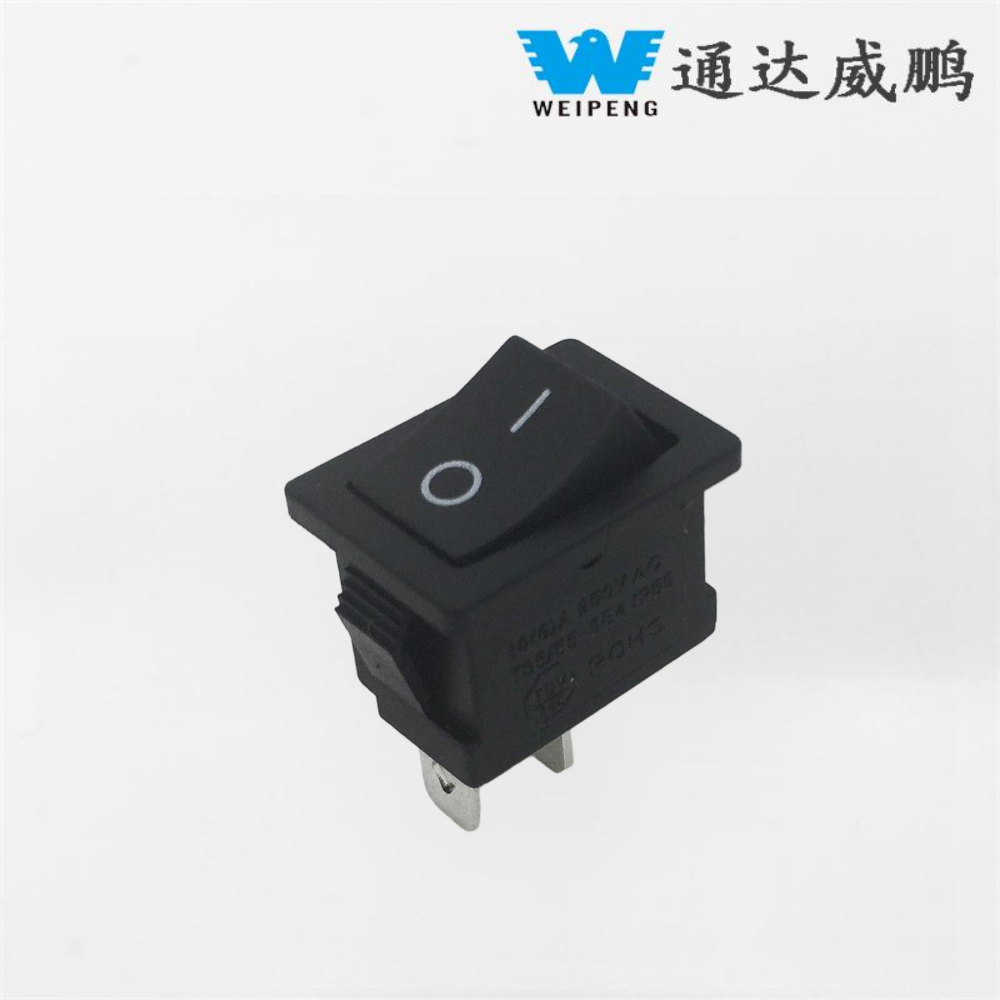
Several switches will have straightforward instructions, “I” or “ON” for the accessible position and “O” or “OFF” for the inaccessible state. These markings may be printed, engraved, or embossed on the surface of the switch. Additionally, some applications have supplementary symbols (for instance, for power, light, or circuit indicators).
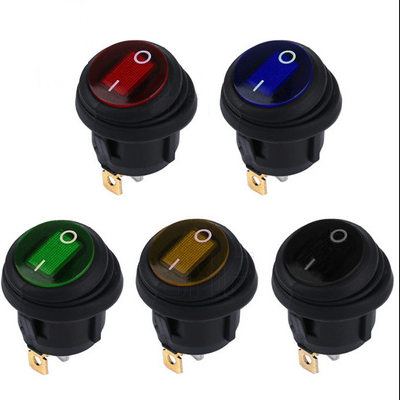
Another frequent sign is the presence of a colored light or LED. Once the equipment is energized, a tiny lamp frequently lights up indicating that electricity is being supplied. This is especially helpful in dark settings, such as car dashboards or industrial equipment.
According to a physical orientation guideline, the top side (further from you) is generally known as "On," while the bottom side (closer to you) is referred to as "Off." However, it is good to check as there are exceptions, especially in case of tailored or imported items.
Rocker Switches in Lighting Applications
Rocker switches are commonly used in home illumination. Understanding which way the light switch is on and off helps avoid inadvertent switch operation, save energy, and provide safety. According to the majority of Western standards, the top part of a vertical rocker switch is ‘on’ because it means that you can turn on the lights by pushing the switch up and switch them off by moving it down.
Current lighting systems come equipped with horizontal rocker switches that indicate 'on' (right side) when depressed while 'off' (left side) when not pressed. If you're going from old toggle switches to new rocker switches, it may feel different based on this orientation. However, make sure to read the manufacturer’s label as well as look for visual clues to make your adaptation easy and quick.
The ease of use along with perceptible feedback determines the popularity of rocker switches in busy families and workplaces. Rocker switches are also a good option for children's rooms due to low force road needs.
Automotive and Marine Applications: Unique Considerations
Rocker switches are an important element in vehicle control panels, boats, and other vehicles. So here, knowing the precise rocker switch on/off position is important to ensure safety and functionality.
Typically, automotive rocker switches have lights that indicate whether a switch is in the ‘on’ position. In low-light conditions, this can be important. Normally, the rocker switches are constructed to make sure that the top is ‘on,’ but lateral switches or special applications may be different. In additions, marine applications emphasize the need for waterproof switches because of their wet surroundings, and therefore switches for marine applications are highly visible with their labels and colors.
In order to ensure that you are using the switch effectively in areas where the level of stress is intense. The reason behind this caution is that the incorrect switch states can pose a potential safety hazard for the users. If you are not aware how the switch in your car looks, consult the manual or find out the identify of symbols or lights on it which serves as a meaningful basis for the needed confirmation.
Installation and Replacement of Rocker Switches
It is a simple do-it-yourself task to remove or set up a rocker switch on your own. Knowing the on/off position before carrying out this task can help prevent wiring errors and confusion.
Initially discover the wires: the standard rocker switches use three to four terminals labeled as ‘Load,’ ‘Line,’ and sometimes as ‘Ground.’ Proper connections will make it so that the 'on' side functions properly, whereas the 'off' side won't work.
When you mount the switch, make sure to place it in the proper alignment that is suitable for the user (top means 'on' and bottom means 'off'). If you are placing the switch horizontally, then follow the instructions on the labels that are provided.
Safety Tip: Cut off power supply prior to installation or repairs! Whenever dealing with anything complicated or if you're in doubt about some setup, get in touch with an expert to prevent and mitigate various occurring dangers.
Troubleshooting Rocker Switches: Common Issues and Solutions
Though rocker switches are sturdy and dependable, failures can happen as a result of misuse, wear and tear, or wrong wiring. Problems such as failure to click, lack of response, and lack of clarity in markings can create confusion among users and put safety at risk.
Check for residue or damaged internal contacts if a rocker switch fails to remain in place. See a problem where the switch position appears inverted (ex. activating 'on' produces no response)? It is possible the wiring has been connected incorrectly, so be sure to verify both terminals and markings.
If you have a switch with an indicator that does not light, make sure that the light bulb or LED light is working and that there are no wiring issues. Regular maintenance, especially in high-use settings like offices or vehicles, can prevent problems as well as ensure that devices work correctly.
In case you are worried or doubtful regarding the working of a switch, it’s better to replace it with a fresh one. Nowadays, new rocker switches usually are clearer and are designed in a better way.
Rocker Switch Styles, Materials, and Customization
You can find a variety of rocker switch styles; there are simple black and white designs as well as decorative finishes used to match styles of interiors. Materials include plastic, metal, and weatherproofed finishes for outdoor or maritime applications.
Additionally, you can get unique rocker switches with individual symbols, controls with multi-circuit connections (like dual light switches) or programmable options. These features allow for personalization making things easy for the user.
When selecting a switch, factors other than looks must be taken into account, such as reliability, ease of operation and appropriate labeling. Heavy-duty switches with correct clear and unchangeable markings should be selected for highly frequented places.
FAQs: How to Know On | Off Switch Label
Here are answers to some frequently asked questions about rocker switch labeling and orientation:
How do I know which side is ‘on’ or ‘off’ on a rocker switch?Identify the physical indications between anything else that shows “I” or “ON” (found at the top or on the right side) along with “O” or” OFF” (located at the bottom or on the left side). In case neither of these is available, search for an indicator light that shows that the device is 'on.' If there are any doubts about other issues, consult the terms mentioned in the guidelines of the manufacturer.
Can rocker switches be installed upside down?Yes, but it can lead to misunderstandings. Switches should always be installed in accordance with their markings and the way they should be oriented, so that they will work correctly.
What if my switch has no markings?Make the test ensuring proper connection to the device. In case if your device gets activated, then ensure it is accurately labeled as "on." Use a waterproof sticker or a marker to label the device.
Are rocker switches safe for outdoor use?There are numerous weather resistant models. It is advisable to seek IP-rated switches for outdoor or marine applications. Correct installation and labeling improve the levels of safety.
Do rocker switches work with all electrical devices?Although most standard switches have the capability to manage multiple devices, it is essential to verify the voltage and current ratings before installation.
Best Practices for Choosing the Right Rocker Switch
In choosing a rocker switch for an application, it’s important to keep in mind not just the position of the rocker switch:
– Functionality: When making a choice, keep in mind single pole, double pole, or multi-pole switches for your equipment.
- Durability: For materials used to make switches, it is advisable to use metal for industrial applications and plastic for home uses.
– Marking: For better proficiency, prefer choosing switches with clear and permanent marking.
– Looks: Consider the style of the switch that will go along with your interior design.
- Safety: For household appliances, choose switches with indicator lamps or back-lit labels for greater visibility.
Taking these aspects into account will lead to a more pleasant user experience, lower error levels, and improved safety.
Future Trends: Smart Rocker Switches
The progression in smart home technology has made radical changes to a simple device like the rocker switch. Smart rocker switches use wireless technology and allow users to control their devices through mobile apps and voice commands in addition to the traditional on/off system.
These switches allow users to control lighting or appliances remotely, set timers, and customize activation for different devices. Despite these advancements, knowing the physical on off position remains essential, as manual overrides are always possible. Manufacturers often retain the familiar labels to reduce confusion.
Smart switches may include advanced indicator systems: colored LEDs, digital displays, and even touch-sensitive surfaces. As these features become more widespread, they offer both convenience and enhanced security. However, installation and configuration require extra attention—consult professional guides for smart switch systems to avoid wiring mistakes and maximize performance.
As technology evolves, maintaining clarity in switch labeling and operation remains a best practice, ensuring that users can always control their devices easily and confidently.
In conclusion, understanding rocker switch on off position is essential for safe operation, easy installation, and effective troubleshooting across a wide variety of applications. Whether you’re upgrading your home, installing automotive controls, or venturing into smart home systems, paying attention to switch orientation, labeling, and user experience will result in better outcomes. Make sure to always reference manufacturer instructions, favor clear indicators, and prioritize safety and reliability. With the information in this guide, you’re well-equipped to handle any rocker switch scenario and make informed choices for your electrical systems.