- English
- Español
- Português
- русский
- Français
- 日本語
- Deutsch
- tiếng Việt
- Italiano
- Nederlands
- ภาษาไทย
- Polski
- 한국어
- Svenska
- magyar
- Malay
- বাংলা ভাষার
- Dansk
- Suomi
- हिन्दी
- Pilipino
- Türkçe
- Gaeilge
- العربية
- Indonesia
- Norsk
- تمل
- český
- ελληνικά
- український
- Javanese
- فارسی
- தமிழ்
- తెలుగు
- नेपाली
- Burmese
- български
- ລາວ
- Latine
- Қазақша
- Euskal
- Azərbaycan
- Slovenský jazyk
- Македонски
- Lietuvos
- Eesti Keel
- Română
- Slovenski
- मराठी
- Srpski језик

Electronic Micro Switch: A Guide for Buyers and Engineers
Electronic Micro Switches found in diverse applications are characterized by high reliability, sensitivity, and small sizes. Whether you want to enhance an item in the consumer market, make an automated production line, or make sure that a given machine operates safely, knowledge of the principles of micro switch operation will be helpful for both engineers and buyers alike. This article will provide with basics, covers core characteristics, applications of the objects as well as practical information on how to make a purchase.
What Is an Electronic Micro Switch?
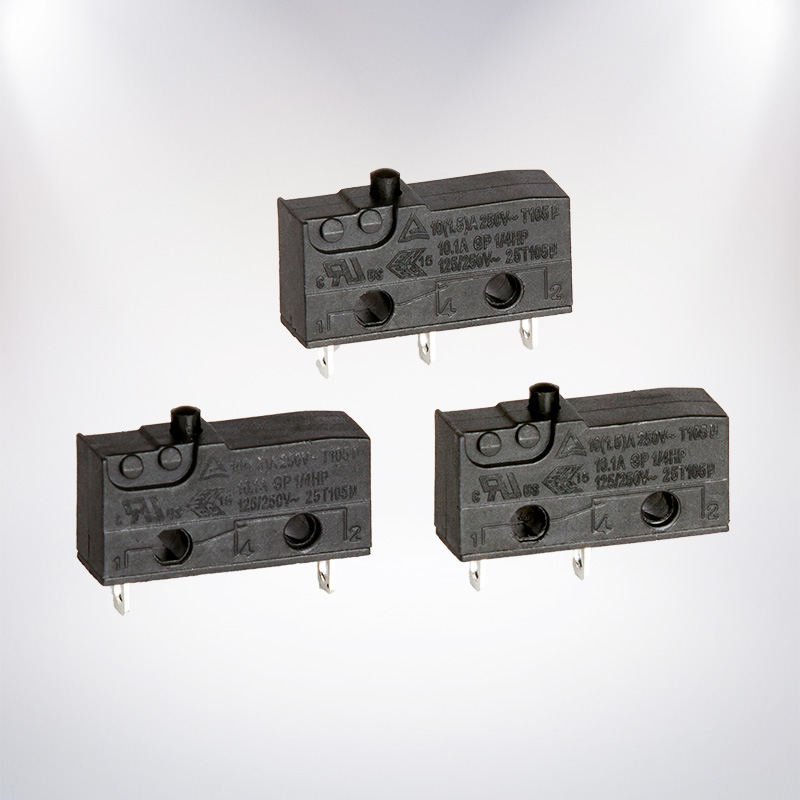
An electronic micro switch is an electric switch that provides quick actuation with the least force. Its distinctive feature is its ability to actuate rapidly due to the internal mechanism, which is generally a lever, button, or roller. The result of this quick action is a switch that can go from ON to OFF instantly. Since snap action is involved with micro switches, it helps to avoid wear and tear while guaranteeing operation for millions of cycles. Each micro switch generally has three operating terminals, which are common (C), normally open, and normally closed.
How Micro Switches Work
The snap-action lever or actuator is activated by an external user or machine, causing the internal spring to rapidly move the contacts. This feature provides micro switches with the ability to avoid signal bounce and mechanical wear and tear, which allows them to be extremely efficient in applications with high reliability requirements. Once the actuator is activated, the switch quickly changes from open to closed and vice versa.
Main Applications
Micro switches are used anywhere precision and reliability are needed:
Consumer Electronics: Micro switches are used in computer mice, controllers, and even home gadgets.
Automotive: Micro switches are essential for safety alert in door interlocks, gear selector controls, and car seat belt sensors.
Industrial Automation: Limit switches track machinery motion and ensure safe operation.
Medical Devices: Micro switches serve as patient safety sensors and user input controls.
Choosing the Right Micro Switch
Selecting a micro switch requires consideration of:
Actuation Force: Choose based on device design.
Electrical Ratings: Match voltage and current with your application.
Environmental Suitability: For harsh settings, select sealed or ruggedized switches.
Size and Mounting: Options include PCB, panel, or surface mount.
Certification (e.g., UL, IEC) ensures safety and reliability for demanding use-cases.
Lever Micro Switches and Other Types
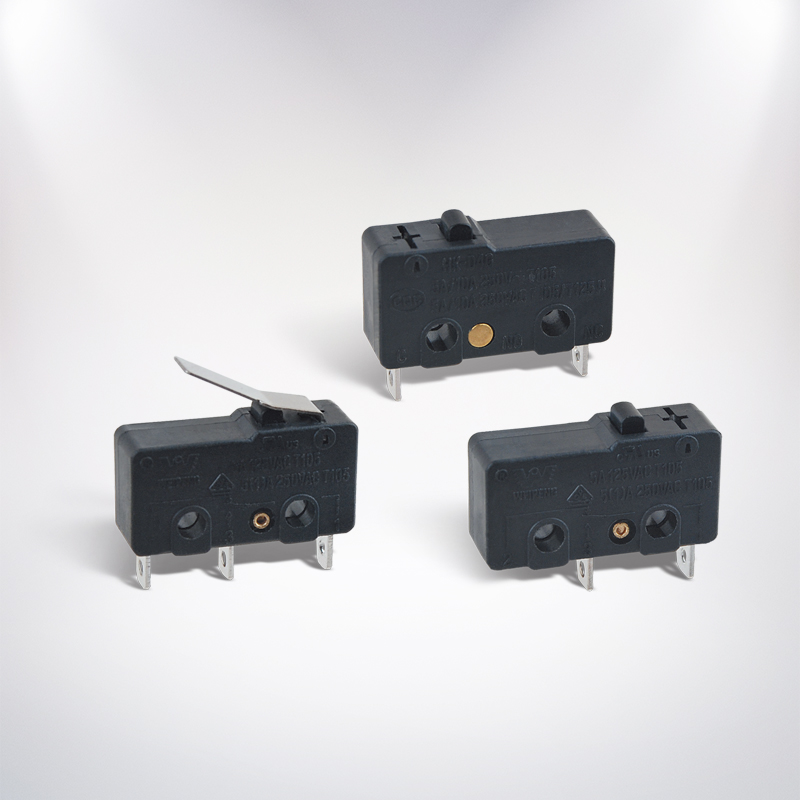
External levers are employed in lever micro switches to sense machine or door movements. Other variants include button and roller micro switches to directly actuate or allow for smooth contact between moving elements, besides sub-miniature micro switches that are made for condensed electronics.
Benefits of Electronic Micro Switches
Micro switches offer:
High Reliability: Designed for millions of actuations.
Rapid Response: Snap-action delivers instant switching.
Precision: Sensitive to small movements—key for detection and control.
Versatility: Adaptable across electrical, environmental, and mechanical contexts.
FAQs about Micro Switches
What is a micro switch? A compact, snap-action switch for quick, reliable circuit changes.
Where are Electronic Micro Switches used? In consumer electronics, automotive systems, industrial machinery, and medical equipment.
How long do micro switches last? Quality models reach millions of cycles with minimal wear.
How do I select the right micro switch? Consider actuation force, electrical rating, environmental factors, and mounting style.
Can micro switches be repaired? Most are not repairable; replacement is recommended for faulty switches.
To summarize, Electronic Micro Switches are critical components of designing devices and ensuring safety measures. Their special snap mechanism and excellent performance perfectly suit them for the applications requiring durability and precision. By learning the features and types of these devices, as well as how to select them correctly, customers and engineers can guarantee their effective usage in different systems.